

The summit is only the halfway point
What Denali taught me about hardship, gratitude, and perspective
“Good job,” our guide said as we stood on the summit of Denali. “But it’s only halfway done. Most people die on the way down.”
It was May 20, 2008—our fifteenth day on the mountain. After nearly eleven hours of continuous movement from Camp 3 at 14,200 feet, we had reached the highest point in North America: 20,320 feet. We were cold, exhausted, and running on fumes. We unfolded an American flag, took a quick photo, folded it carefully, and stuffed it back into a pack. High fives all around. Then we returned to reality. No celebration. No complacency. The summit wasn’t the mission. Getting home was.
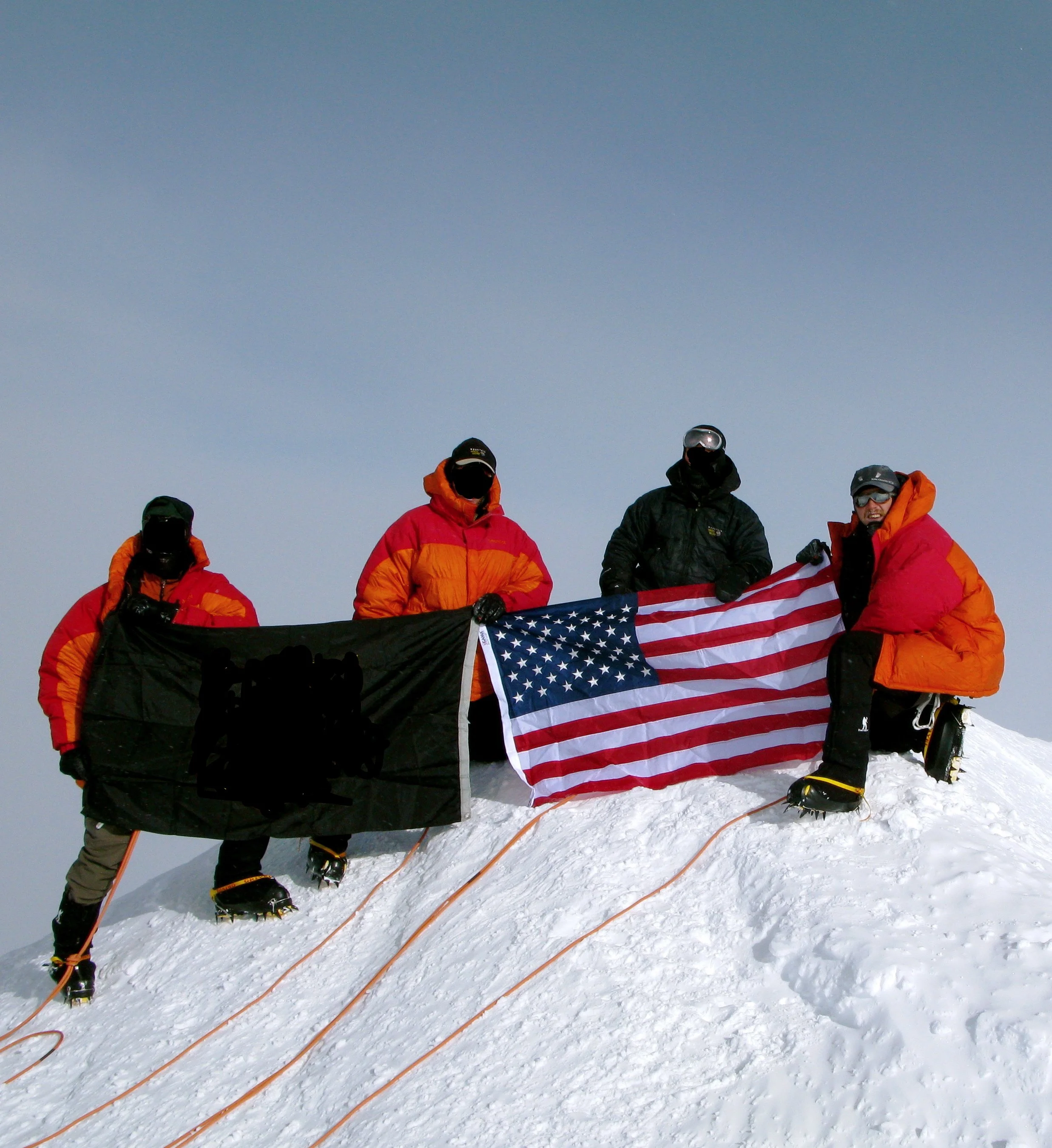
Picture from the top of North America, courtesy of of Mark Twight
That lesson applies to a military mission, the mountains, to business and life in general. Many people know how to push hard toward a goal. Far fewer know how to stay disciplined after they achieve it. We still had thousands of vertical feet to descend, in extreme cold, on tired legs, at altitude. The mountain didn’t care that we had “made it.”
The Idea Was Born in Iraq
The expedition had been planned months earlier while we were deployed together in Iraq. My teammate and close friend, Heath Robinson, was the driving force behind it. Heath had a unique ability to bring ideas to life. He had already convinced leadership to let us do ambitious trips before—Australia, Yosemite, and now Denali. Most people doubted he could pull it off again. They didn’t know Heath.
He was relentless, energetic, and impossible to ignore. If he believed something should happen, he attacked it until it did. Years later, Heath would be killed alongside many of my other teammates on Extortion 17 in Afghanistan. His loss still echoes. But on this trip, he was doing what he always did—bringing people together for something difficult, meaningful, and memorable.
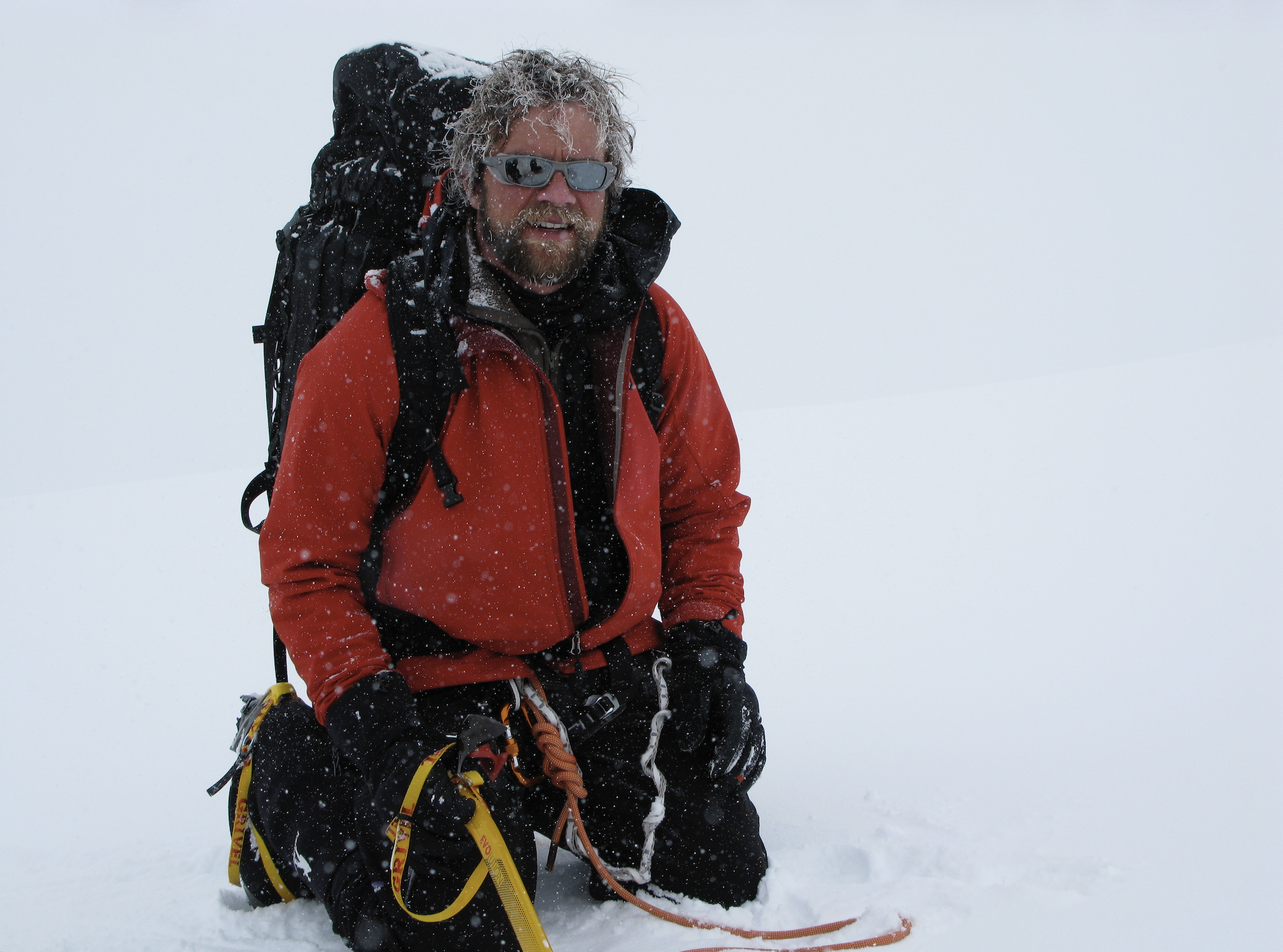
Not just an operator, Heath was an unstoppable force.
Alaska: Packing, Repacking, and Humility
We flew from Virginia Beach to Anchorage, then made our way to Talkeetna, the jumping-off point for Denali climbers. Before we ever touched the mountain, there was endless preparation: gear checks, food checks, weight checks, packing and repacking, then doing it again. In mountaineering, ounces become pounds quickly, and pounds become suffering.
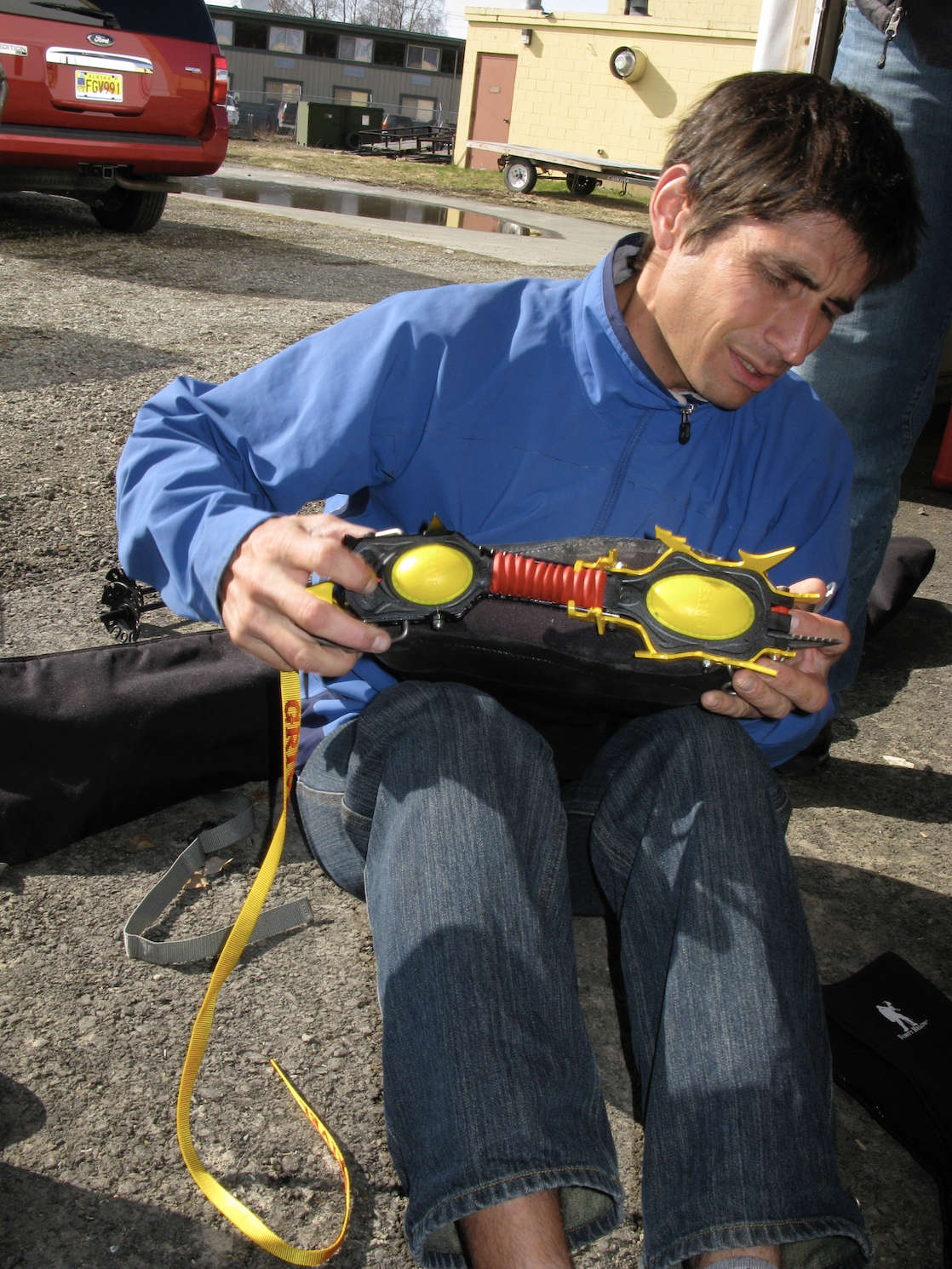
The incomparable Rolo Garibotti… showing me how to fit crampons.
One of my favorite memories came before the climb even started. We were walking back from a required National Park Service briefing when a school bus passed by. The windows slid open and kids yelled, “Go home, you hippies!” We laughed the whole way back. If they had known who was under those beards and layers of fleece—men fresh off combat deployments to Iraq and Afghanistan—they might have chosen different words. Or maybe not…
Day One: Reality Hits Fast
We started the climb on May 7. The first movement went from the glacier base camp up toward 7,800 feet, and it was a brutal wake-up call. Our packs weighed around 35 to 40 pounds. Behind us, we pulled sleds weighing roughly 75 more. The route started by going downhill first, which felt insulting. Lose altitude now so you can gain it back later under load.
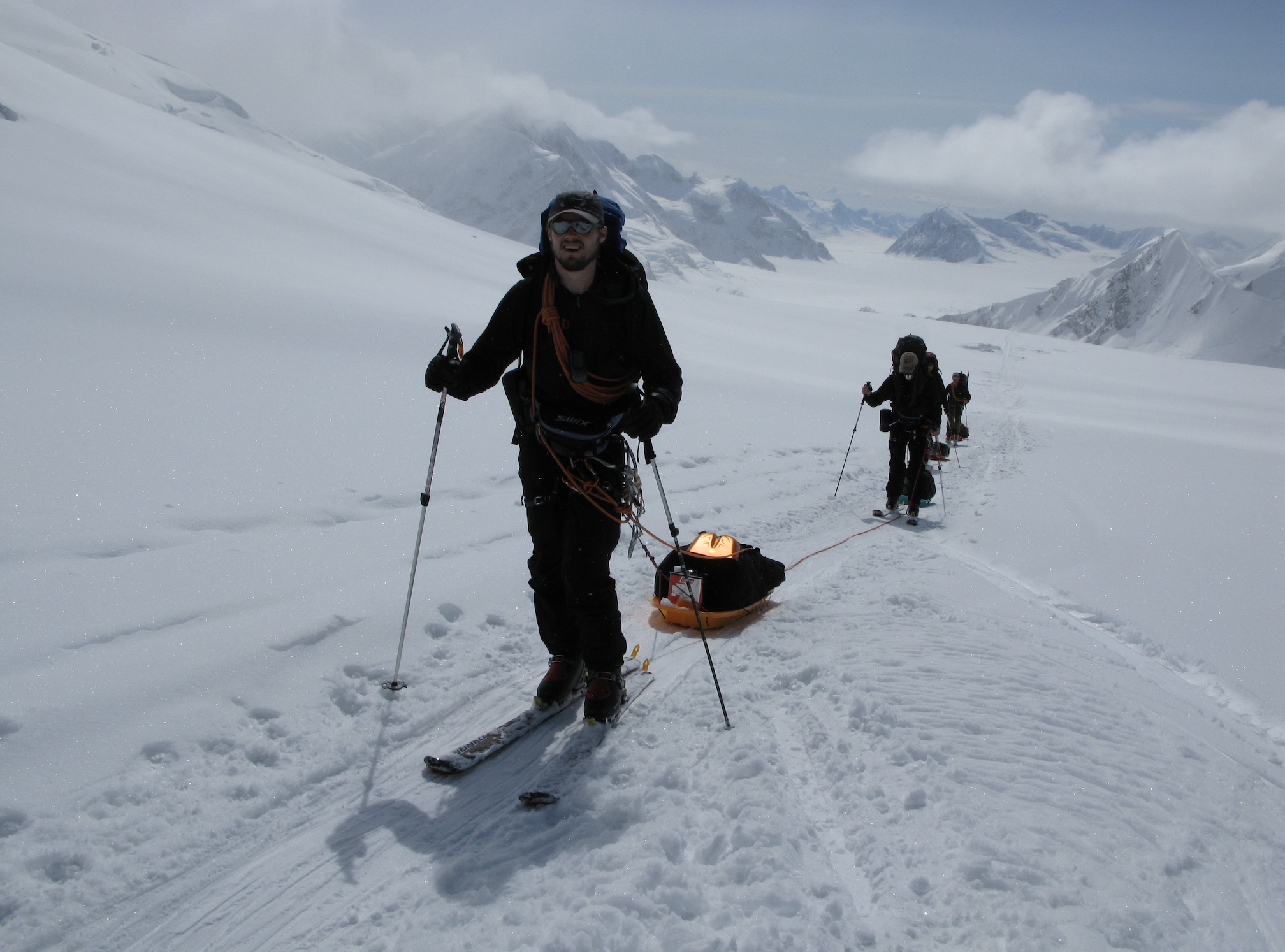
Heavy Haul Day… full pack and full sled!
We were skiing with heavy gear, adjusting to stiff boots, and stopping constantly to deal with hot spots on our feet. You learn quickly on a mountain that small problems become big ones if ignored. A little friction becomes a blister (duct tape is the best cure for a hot spot). A little dehydration becomes weakness. A little laziness becomes danger. That lesson travels well beyond the mountain.
The Grind
There were hard days and harder days. The only easy days were rest days, and even those weren’t easy because weather and altitude don’t really allow comfort. One day in particular—what I’ve called the “Death March”—still stands out as one of the hardest days of my life. It gave me a deep respect for mountaineers. Until then, I respected toughness mostly through the lens of military hardship.
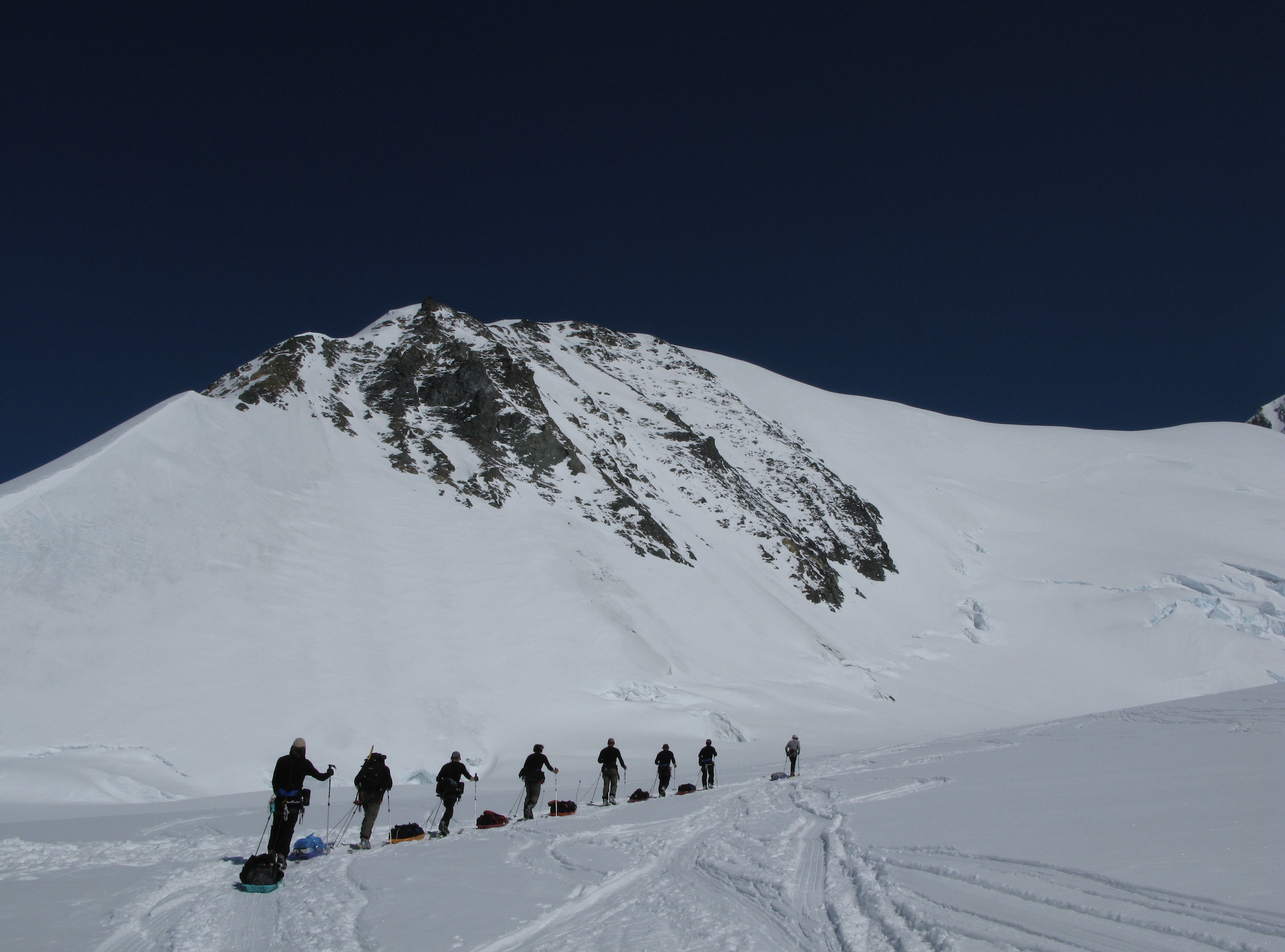
One of those grind it out days.
This was different. There was no enemy, no adrenaline, no urgency. Just relentless effort, thin air, discomfort, and the need to keep moving. We suffered in silence, one step at a time, trying to catch our breath as we went.
Summit Day
On summit day, I woke at 4:30 a.m., ate a little, drank water and tea, and checked my gear. Then I checked it again. On a mountain like Denali, forgetting something small can become a serious mistake.
We left Camp 3 at 7:05 a.m. We reached the summit at 6:05 p.m. We returned to camp at midnight. Seventeen hours of near-continuous movement. At first, excitement carries you. The views are incredible and energy is high. Then altitude takes over. The day narrows. You stop thinking about the summit and start thinking about the next step, then the next one after that.
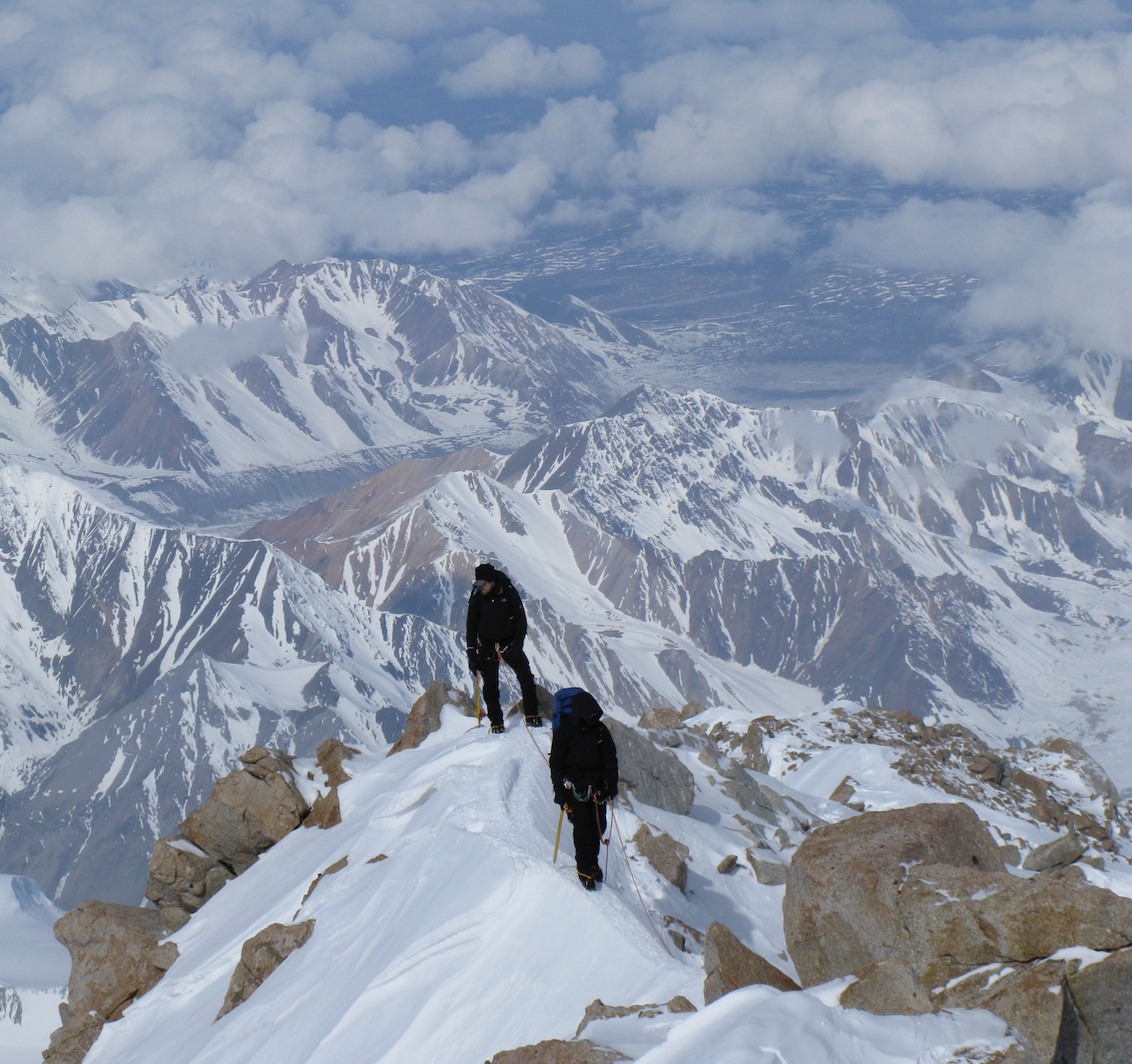
Slow and steady, and on our way up.
That’s true of many worthwhile goals. People imagine dramatic breakthroughs. In reality, most success looks like disciplined steps repeated long after the excitement fades. Our GPS showed over 33 kilometers covered that day, but distance wasn’t the real challenge. Altitude was. Cold was. Fatigue was. I drank three liters of water, most of it forced because thirst disappears in the cold. I carried twenty Hammer gels and finished sixteen of them. It was the only thing I could eat once we got above High Camp at 17,200 feet.
There were eight lead climbers on the expedition. Only four of us summited that day. The others would attempt to summit later once they were more acclimated. Another lesson: people progress at different rates. Same team, same mission, same environment - different timelines. One of our guides, Mark Twight, took us to the summit on our summit day. Took a day off, and took the other group up the following day. It was one of the most impressive feats I had personally witnessed.
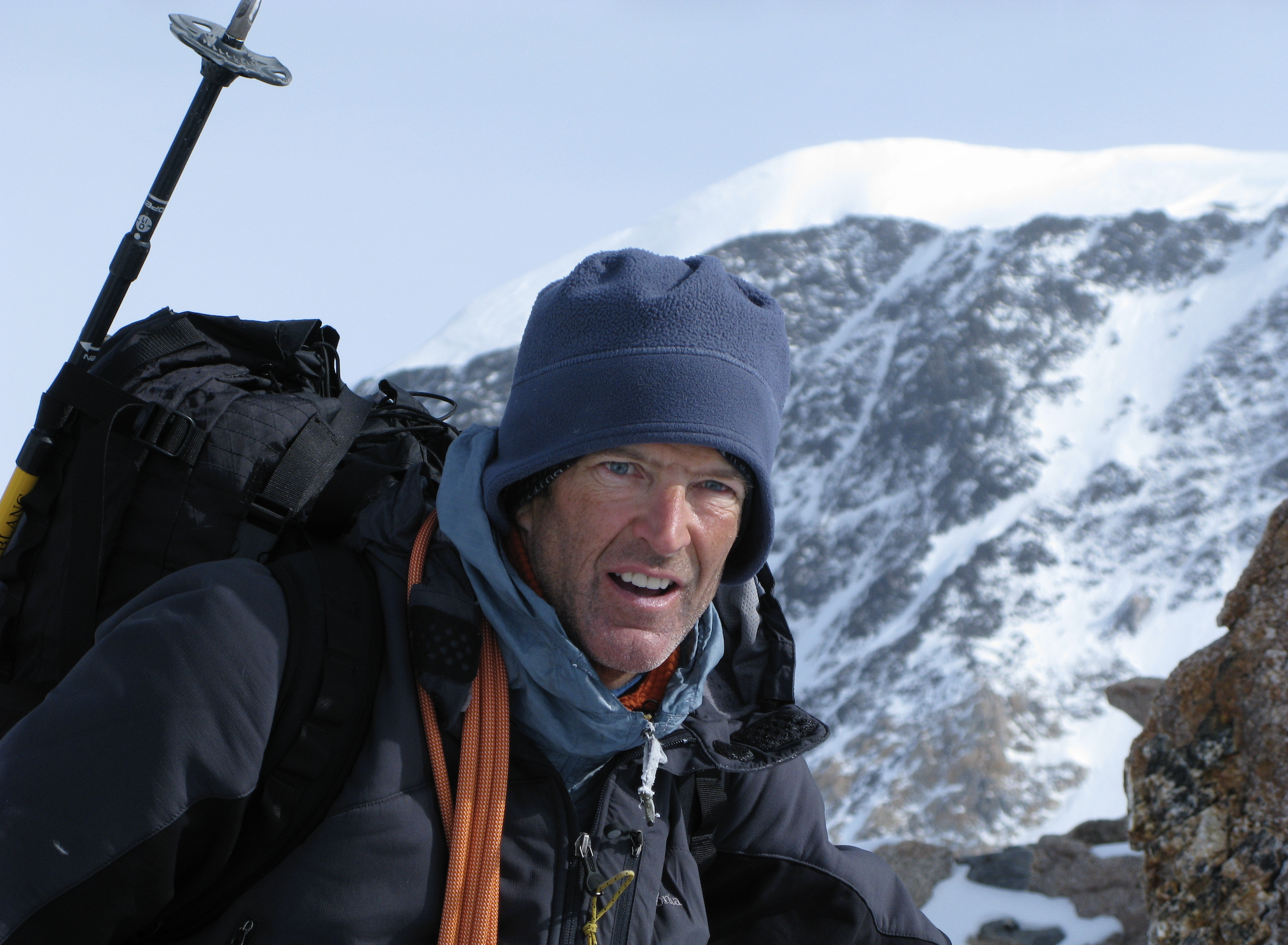
Dr Doom (aka Mark Twight). One of the few pics he didn’t take!
The Blizzard and the Descent
For the next two days, we were pinned in tents by a blizzard. At first, no one minded. We needed rest, food, and fluids. But eventually cabin fever set in. We were tired of freeze-dried meals, tired of being cramped, tired of waiting. Then a small weather window appeared, and word spread quickly: break camp, move now!
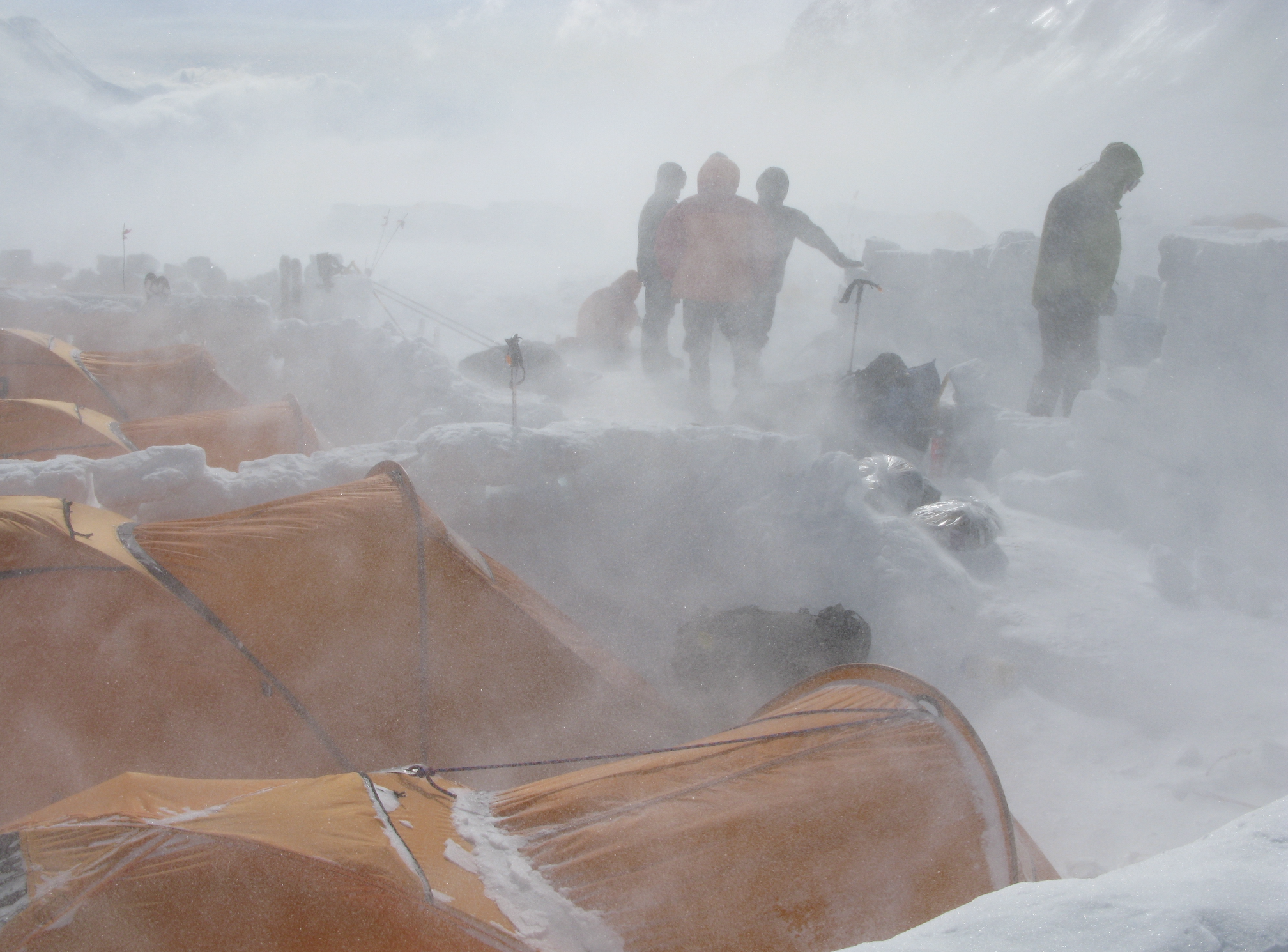
The ‘break’ in the weather looked something like this…
We broke camp and started down. The trip off the mountain was more dangerous than the climb up. Visibility was often near zero. We navigated by GPS breadcrumbs and route markers planted earlier by our guides.
One stretch remains vivid in my mind—from 11,200 feet down toward 7,800. We stopped briefly to retrieve cached gear, then repacked everything again. Packs, sleds, ropes, skis. Then we moved.
I was at the back of the rope team acting as a brake. Only two of us had meaningful ski experience. One was in front navigating. I was behind, turning and side-slipping constantly to slow the group. For much of that section, I couldn’t even see the person in front of me. I remember thinking, I hope we don’t ski off the edge of this thing.
Sometimes courage doesn’t feel bold. Sometimes it feels like quiet competence in ugly conditions.
We left Camp 3 at 9:00 p.m. on May 24 and reached base camp around 8:00 a.m. the next morning. Nobody cared about the views. We wanted off the mountain.
Civilization Never Tasted So Good
At base camp, other climbers were just waking up. Some were waiting to make summit bids. Others were waiting for flights out. We were packed and ready. First come, first served. We boarded the first plane back to civilization.
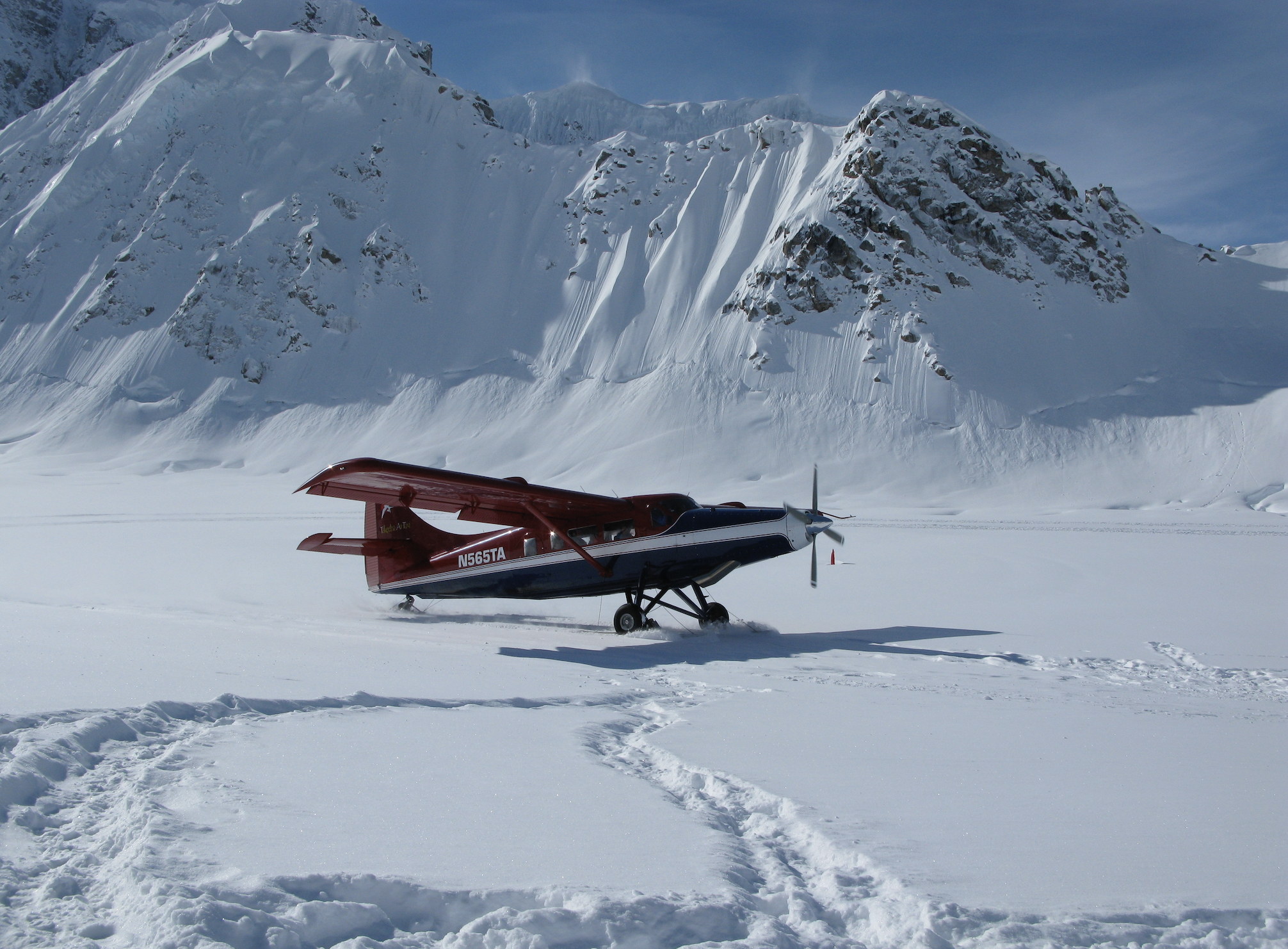
Our shuttle awaits! A small plane never looked so inviting.
We landed back in Talkeetna around 9:00 a.m. Then came one of the great luxuries of life: breakfast. Pancakes, hot coffee, real food. I still remember how good it tasted.
Later that evening, after more unpacking and repacking, we checked into a Marriott. After twenty days without a shower, hot water felt like a miracle. A soft bed felt extravagant. A burger and cold beer that night felt like winning the lottery. It’s amazing how quickly we take ordinary blessings for granted until they disappear.
What Denali Really Taught Me
At the time, Denali felt like one of the hardest things I had ever done. Now I see it differently. It was hard—but temporary. I chose it. I would eventually leave.
Millions of people around the world face harder conditions every single day with no summit photo waiting at the top. Families in West Africa often lack access to clean water for drinking, cooking, and washing. Preventable diseases remain common. Women and children may walk miles each day for water, losing time for education, work, and opportunity. Healthcare can be distant, unreliable, or inaccessible.
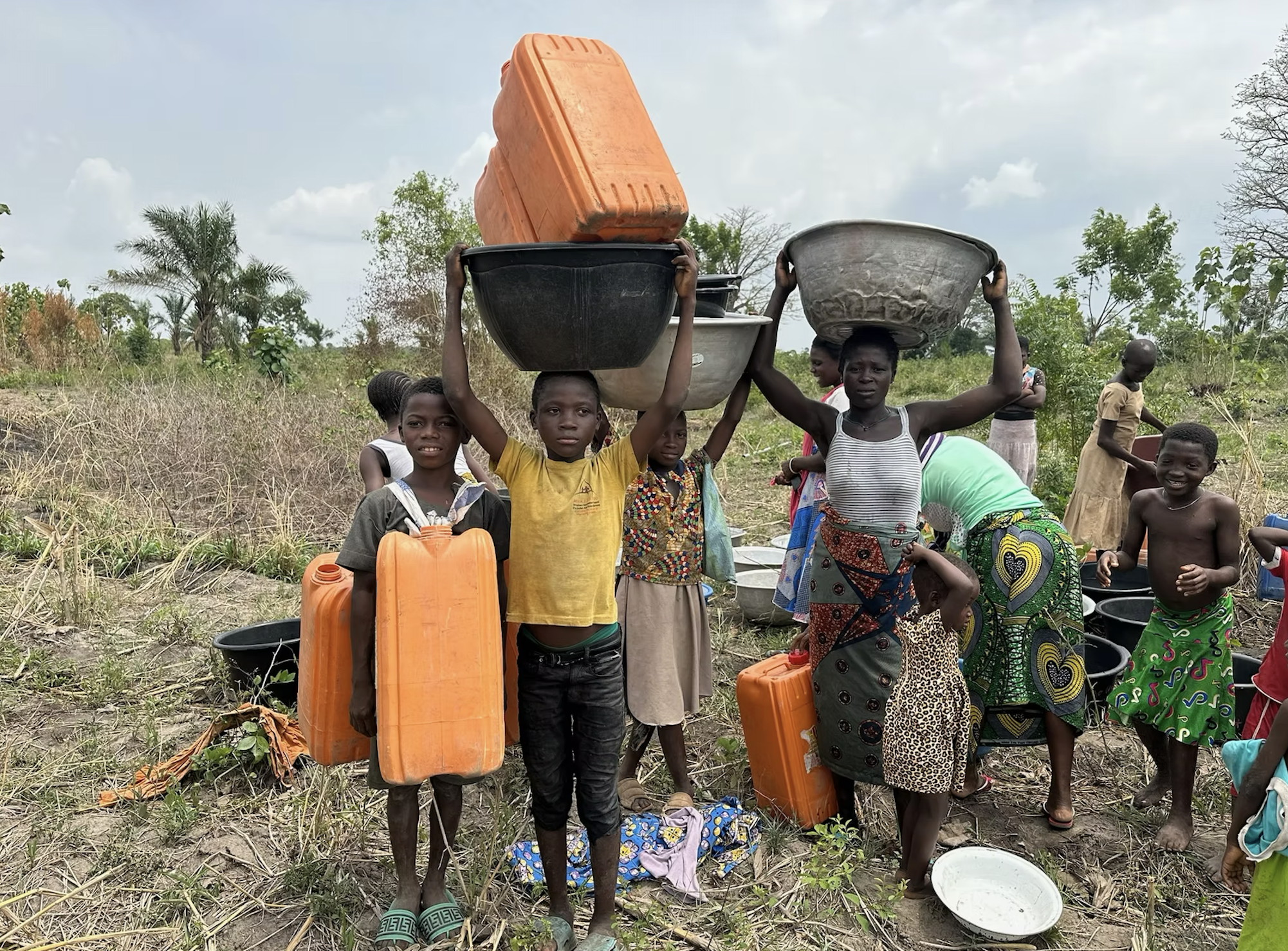
Just another day in West Africa. Women and kids fetching water and carrying it for miles.
That is not adventure. That is reality. And unlike my hardship on Denali, they did not sign up for it.
How You Can Help
This summer, we’re climbing again—this time with a deeper purpose. We’re taking on a mountain challenge to help bring practical support, awareness, and hope to communities facing challenges far greater than cold weather and sore legs.
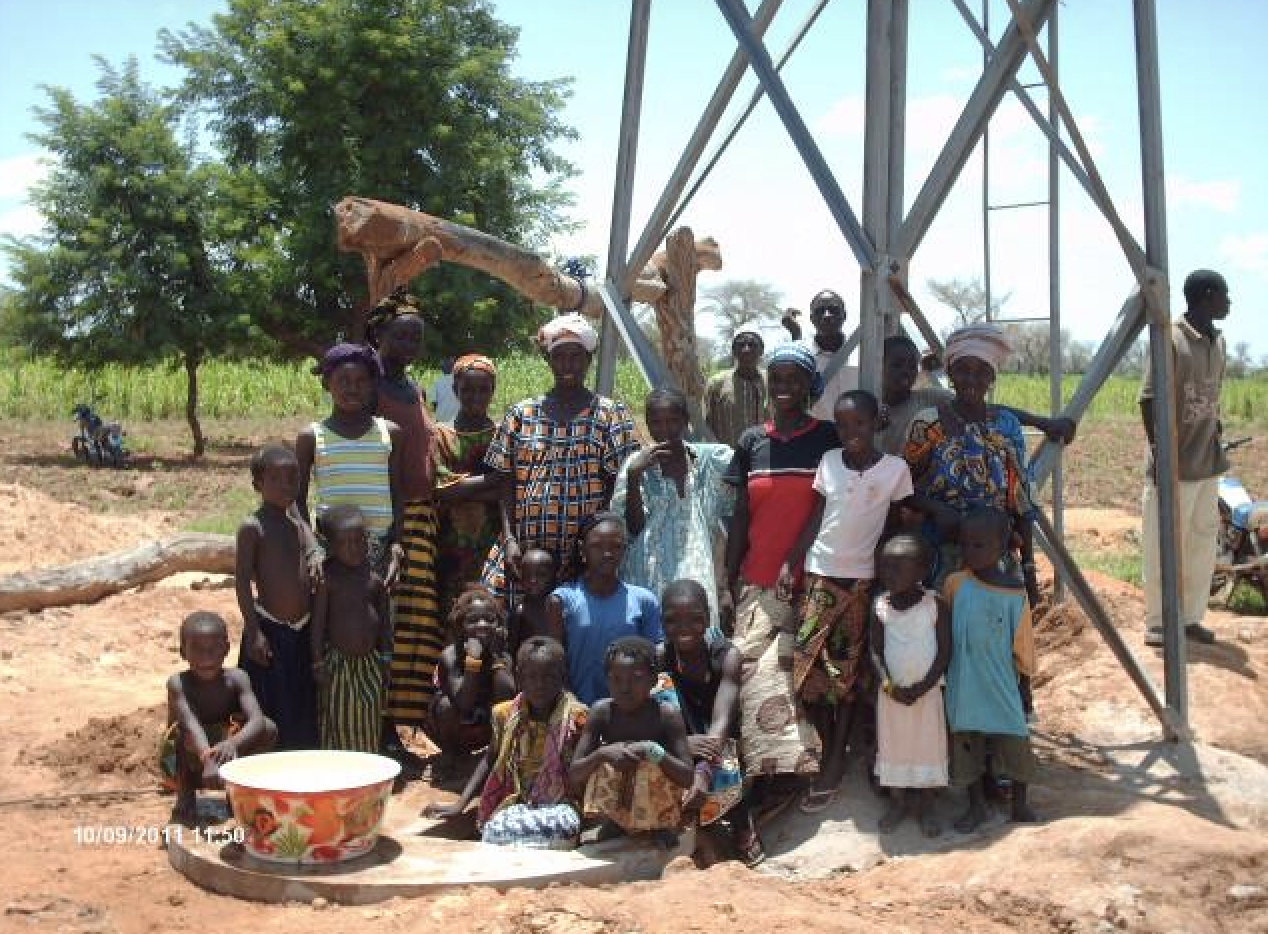
What a difference a well makes for a small village.
If this story moved you, I’d ask you to do one of three things. First, give. Every contribution helps, and what feels small to us can mean something significant to someone else. Second, share. Awareness creates momentum, and missions like this grow when people talk about them. Third, follow. Join the journey as we train, climb, and work to make a difference.
Donate here
Final Thought
Denali reminded me to be grateful for things I once overlooked: running water, a warm bed, fresh food, a hot shower, and even a toilet. It’s so easy to take these basics for granted. I try to remind myself of this regularly. Onward, and upward!
(Special thanks to my teammates for helping me get to the top, and to Mark and Rolo for guiding the way… and taking some great pics!)