

The roof of the americas
It was March 15, 2009—Day 13 on Aconcagua, the highest mountain in the Western Hemisphere.
We left High Camp, perched at roughly 20,000 feet, at 4:00 a.m. It was dark, brutally cold, and the wind cut through every layer we had. Miserable would be the right word. At that altitude, everything becomes difficult. Breathing. Thinking. Walking. Even the smallest tasks require effort.
Seven and a half hours later, after a slow grind upward and several warming stops along the route, we reached the summit at 22,841 feet. We had gained only 3,000 vertical feet, but it felt like crossing an ocean. We spent about 40 minutes on top taking photos, soaking in the views, and trying to appreciate where we stood. Then it was time to descend.
We made it back to High Camp sometime after 2:00 p.m., where the glamorous post-summit routine began: melt snow for water, force down calories, and try to recover in thin air. Nobody was hungry. At altitude, appetite disappears.
That was Aconcagua. Beautiful, punishing, unforgettable.
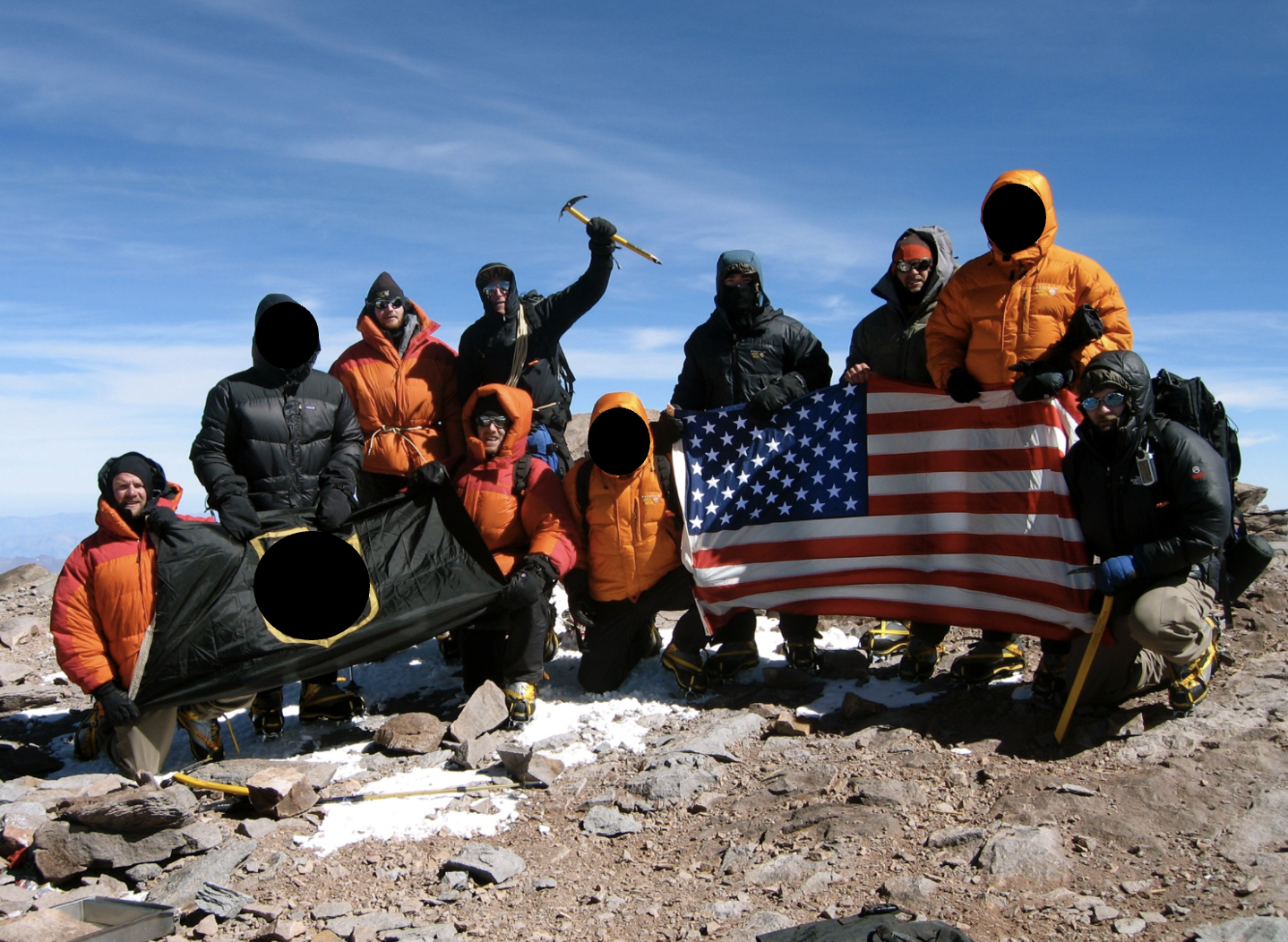
Summit Day: the view wasn’t free!
The Men Who Made the Trip Matter
This climb was organized by my close friend, teammate, and brother-in-arms, Rob Reeves. Rob was one of those rare men who could lead an expedition with calm confidence and relentless attention to detail. Nothing was overlooked—from the biggest logistical concerns to the smallest gear item. Years later, Rob would be killed in Afghanistan in the Extortion 17 helicopter crash on August 6, 2011.
Every time I look at photos from Aconcagua or Denali, I don’t just see mountains. I see teammates. I see brothers. I see men who gave everything in service to our country. More than half of us who climbed Denali and Aconcagua together are now dead and gone.
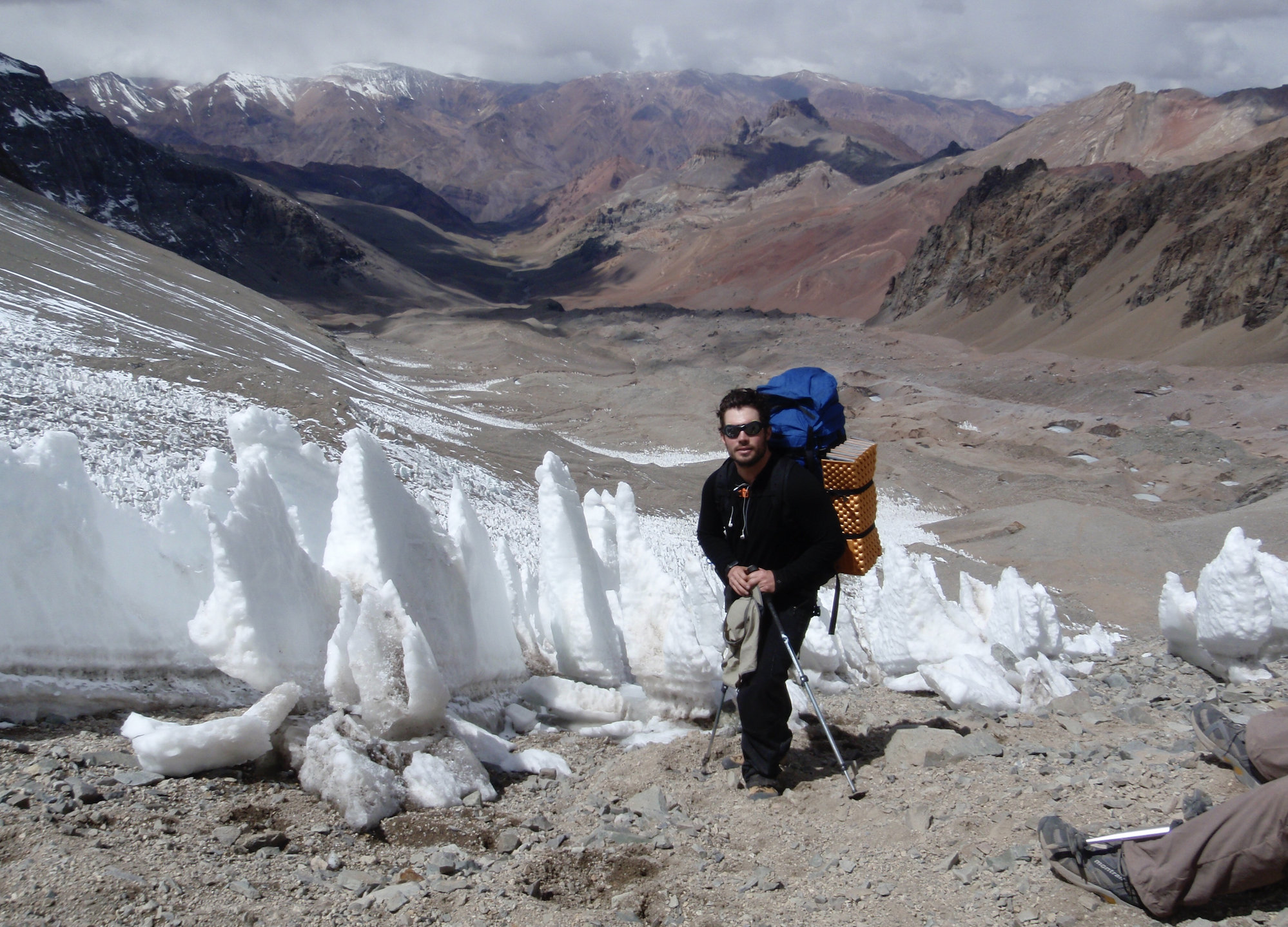
Our trip lead, teammate, and brother-in-arms: Rob Reeves (RIP)
Getting There was an its Own Expedition
The trip started in Norfolk, Virginia. From there it was Norfolk to Dulles, Dulles to Buenos Aires, Buenos Aires to Santiago, and finally Santiago to Mendoza, Argentina. A full 24-hour travel day made even longer by the fact that I somehow ended up in the middle seat on every flight.
From Mendoza we moved to a small hotel near the base of the climb at 9,000 feet. Then came the familiar ritual every climber knows: unpack, reorganize, repack, check gear, and prepare to head into the mountains.
The climb officially began on March 3. Spirits were high. Unlike Denali, where you drag heavy sleds, mules carried much of our gear on Aconcagua. We hiked lighter and faster. I was a fan of that system immediately.
The Uphill Grind
The first truly hard day came on Day 3: a six-hour uphill haul with 25-pound loads to Base Camp at 13,800 feet.
Day 5 was worse. Heavy packs, over 50 pounds, climbing uphill for several hours to cache gear and food higher on the route before descending again. That’s how mountaineering often works—you climb up, carry loads, come back down, then do it again. Slow progress. Patient suffering.
By Day 9 we reached 17,900 feet. My journal entry that day read: Finally cold. We had now entered real mountain conditions. Streams were gone, so water had to come from melting snow. The guides checked our vitals. My resting heart rate was 90 beats per minute, and my oxygen saturation was 85%.
That’s the reality of altitude: your body works overtime just to stay alive.
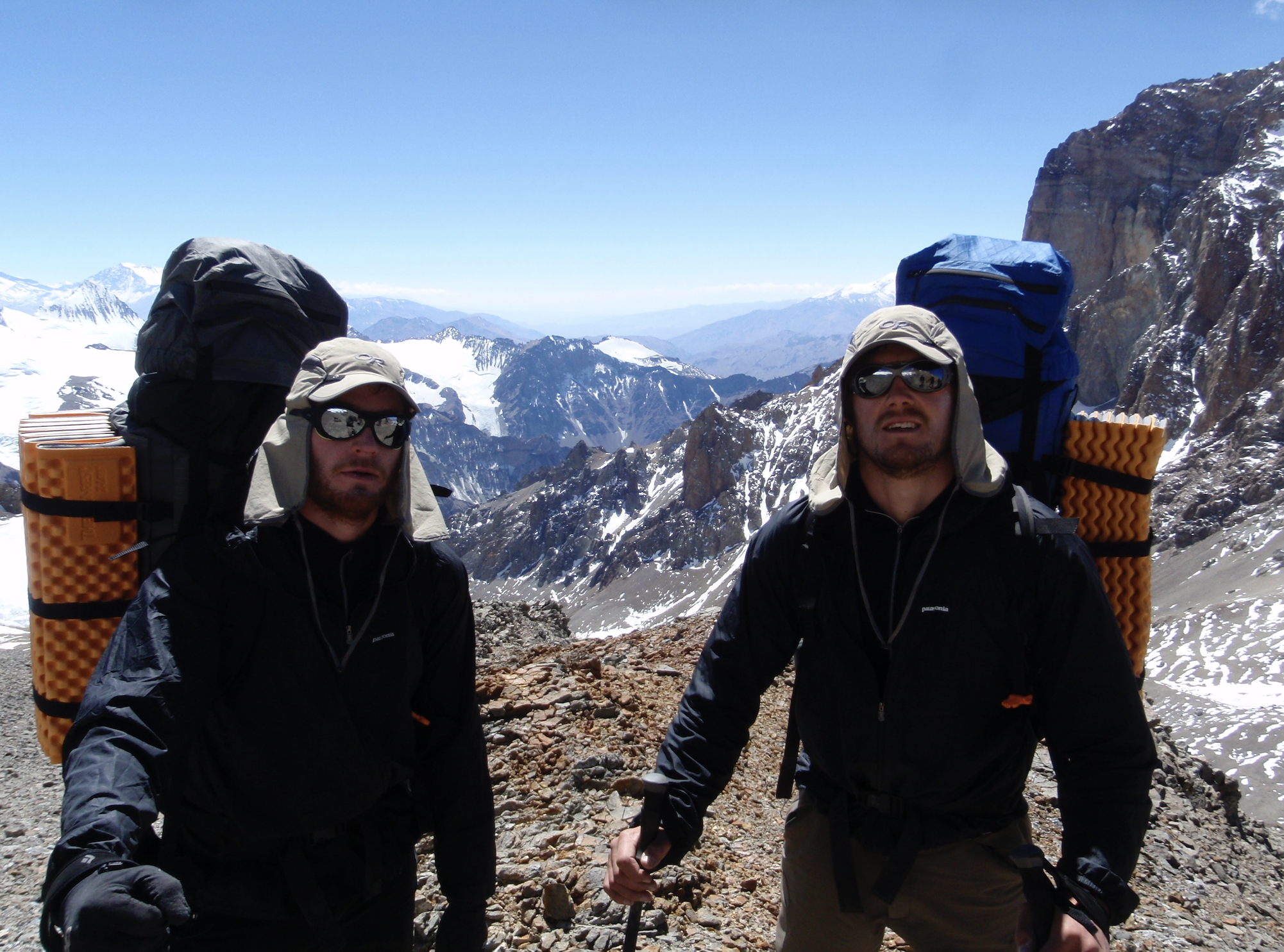
John Faas (RIP) and I on our way to the next camp.
Summit Day Memories
Two moments from summit day still stand out vividly.
Rewarming Frozen Feet - Two teammates were battling dangerously cold feet. Frostbite was a real concern. So we stopped for “rewarming drills.” The method was simple and uncomfortable: they removed boots and socks, then placed one bare frozen foot at a time against someone else’s stomach. My feet were fine that day. My stomach, however, was not. There is nothing quite like placing another grown man’s ice-cold foot on your belly at 21,000 feet. That’s teamwork in the mountains. Not glamorous. Not cinematic. Just doing what needs to be done for the person next to you.
Losing the ability to see Red - At some point around 21,000 feet, the bright orange jacket of the climber in front of me started turning yellow. I remembered training from the Navy’s high-altitude chamber: when oxygen levels drop far enough, your vision can change, and one of the first things affected can be your ability to distinguish red tones. I forced a few hard exhales, controlled my breathing, and focused on recovering. Eventually the coat turned orange again. The mountain was reminding me that the margin between functioning and failing can become razor thin.
Getting Down Never Comes Soon Enough!
We spent another miserable night at 20,000 feet after the summit. Nobody had energy to melt snow. Nobody wanted food. The only cure was to descend. The next morning we broke camp and dropped to 14,000 feet. It felt like coming back to life. Everyone ate two meals. Everyone drank their fill. Morale skyrocketed with every thousand feet lost.
Then came the final day. We packed up and headed for the road. What happened next became one of my favorite memories from the trip.
The Race to the Road
My friend Tom “Rat” Ratzlaff took off walking fast. Very fast. Being competitive, I refused to let him get too far ahead. So I picked up the pace. Then he sped up. Then I did. Soon it turned into a race.
Somewhere along the way, walking became jogging. Jogging became running. We ended up covering roughly 16 of the final 18 miles at a run—after 15 days on the mountain and just two days removed from summiting nearly 23,000 feet. Eventually we realized one of us was going to get injured if this kept going, so we agreed to call it a tie. We hit the road together, slapped hands, and stopped.
Then Rat flagged down a passing car. The driver handed him a cigarette. Rat lit it up immediately and sat on the roadside smiling like a king. That was the most “Rat” thing imaginable.
Tom would later be killed in Afghanistan in 2011. Like Rob, he remains frozen in my memory. Like Heath, and Rob, “Rat” (Tom) was an amazing warrior and close friend. Like Heath, and Rob, I could write a separate article just telling “Rat Stories”, perhaps another time.
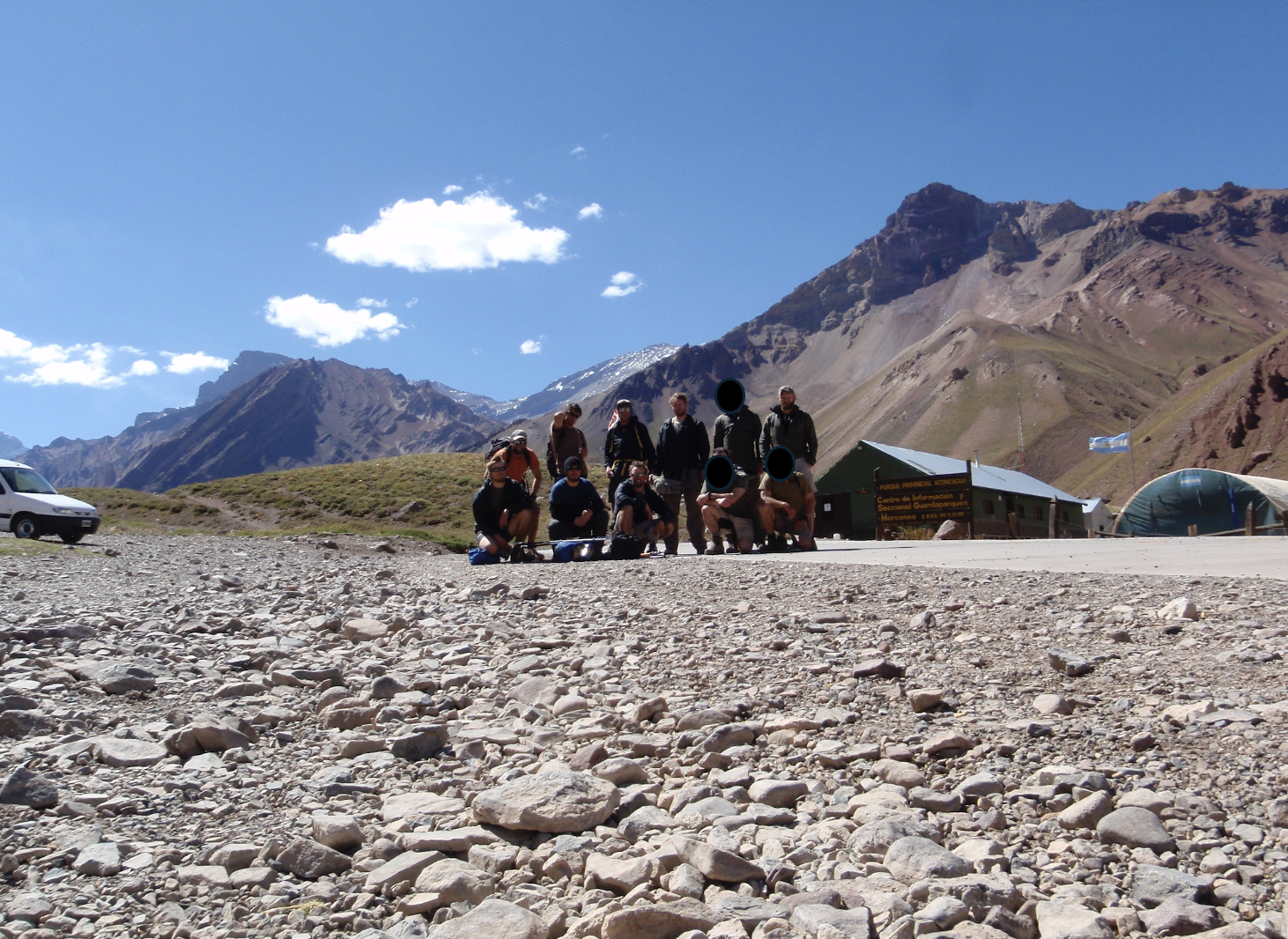
Back at the road and waiting on our ride to civilization!
What the Mountain Taught Me
Aconcagua reinforced many of the same lessons Denali had taught me. Progress is slow and uncomfortable, but if you just keep going, you will eventually get there. Teamwork is a must. We didn’t climb alone. Hard things reveal your true character. Gratitude grows as your comforts disappear. The real value of a trip like this is the perspective you gain, and perspective comes through struggle.
You can probably find every one of these little lessons in a self-help book. But they all land differently when learned the hard way - in thin air, carrying weight, exhausted, uncomfortable, and committed to finishing no matter what.
Why Kilimanjaro Matters More
As difficult as Aconcagua was, it still wasn’t harder than daily life for millions of people in parts of West Africa. We chose hardship for two weeks. Then we went home. For many families there, hardship is simply normal life. Clean water can require hours of walking every day. Lack of access to healthcare turns treatable illness into tragedy. Women and children often bear the heaviest burden. That’s why our upcoming Mount Kilimanjaro climb matters. It isn’t just another mountain. It’s a mission to raise support and awareness for people who need both.
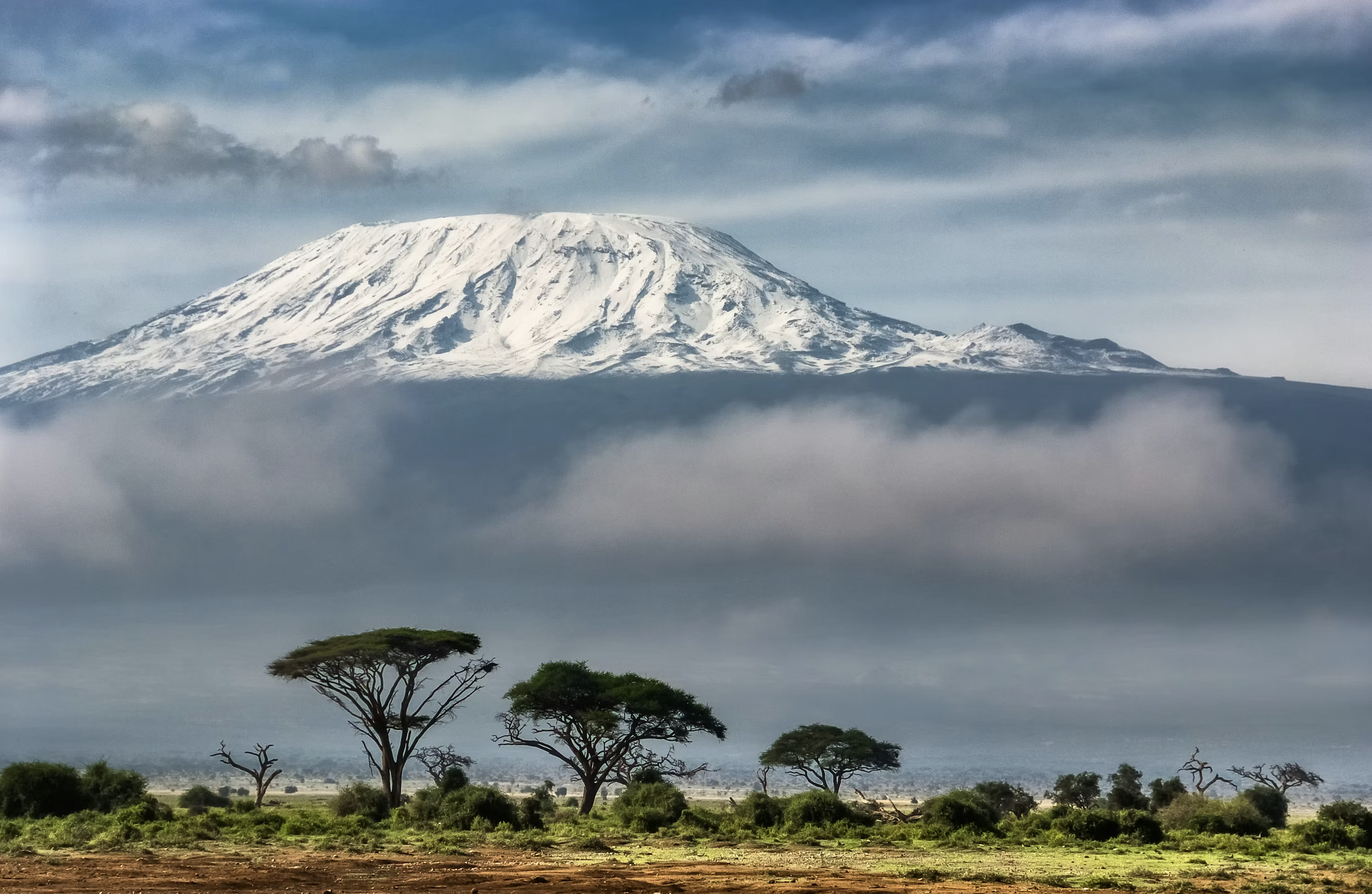
Kilimanjaro is different.
How You Can Help
If this story resonates with you, I’d ask you to do one of three things: Give, Share, and/or Follow!
1. Give – Even small amounts go a long way.
2. Share – Help us spread the message.
3. Follow – Come with us virtually as we climb Kilimanjaro.
Click here to Give or Learn More!
Mountains have a way of resetting your perspective. They remind you how much we take for granted—clean water, healthcare, comfort, security, opportunity. Those things are not normal everywhere.
Onward and upward!
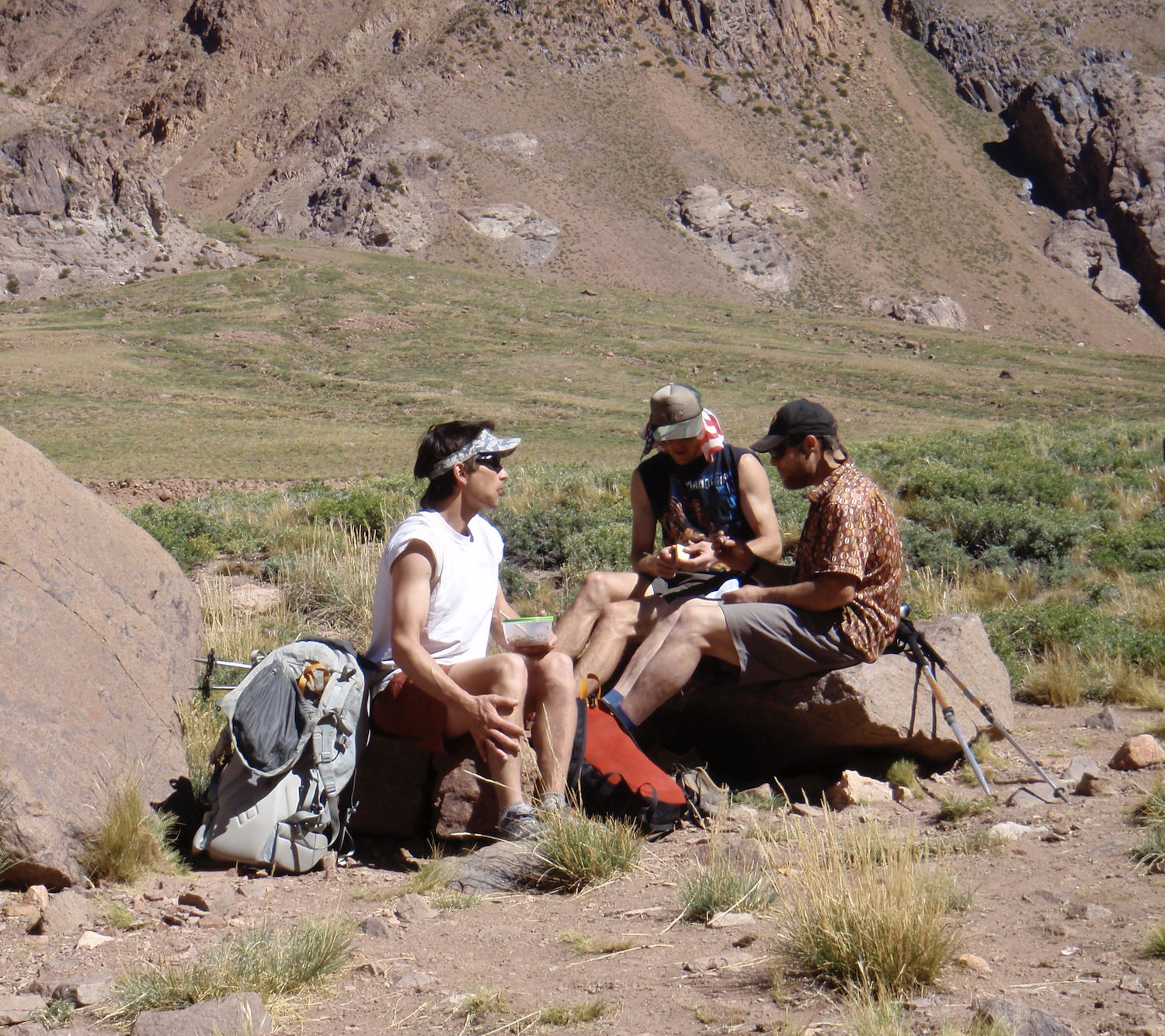
Special thanks to our guides, Rolo, Vince, and Bean (RIP Bean).