

Preparation: the difference between a summit and a rescue
In my last article, I talked about one of the most important lessons learned in the mountains: Humility. If you go into the mountains being arrogant, it can cost you. If you approach the expedition with humility, you won’t take things for granted. You will also do the work necessary to prepare. That’s today’s article: Preparation.
One of the most important lessons I learned on both Denali and Aconcagua had nothing to do with climbing. It had everything to do with preparation.
The lesson wasn't new to me. In fact, it was drilled into me for years in the SEAL Teams. We heard countless variations of the same idea, but they all pointed to one truth:
“You don’t rise to the occasion. You fall to your level or preparation.” – Archilochus.
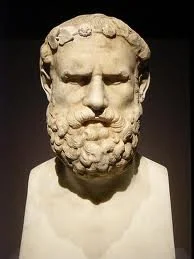
Sculpture of Archilochus
Most people believe that when the pressure is on, something magical happens. They imagine that skills or character traits will suddenly appear when they are needed most. It’s a comforting thought. It’s also usually wrong. We never believed we were simply ‘better’ than others. It was more a question of preparation: I’m either more prepared or less prepared than my enemy… my competition!
When conditions become difficult, people don't suddenly become stronger, smarter, or more disciplined. They become exactly what they trained themselves to be. Their preparation is revealed.
The same is true with skill. Whether it’s a skill needed on a climb, on the battlefield, in a self-defense situation, or in your office job. Skills don’t just materialize. They must be developed. The more you dedicate yourself to the development of skill, the better you perform, the better your odds are of prevailing in a moment of consequence.
The mountains taught me that lesson all over again. On Denali, I noticed it during the first truly hard day of the climb. After the excitement of being on North America’s highest peak had worn off, reality had arrived. We were hauling heavy sleds (70 pounds plus) loaded with gear, dragging them uphill while carrying 40-pound packs… at altitude. Every step was effort.
Like many climbers, I started too fast. I wasn’t sprinting, but I was moving at a pace that felt comfortable in the moment. Before long, I realized I had to slow down. Denali is not impressed by the enthusiasm of rookie climbers.
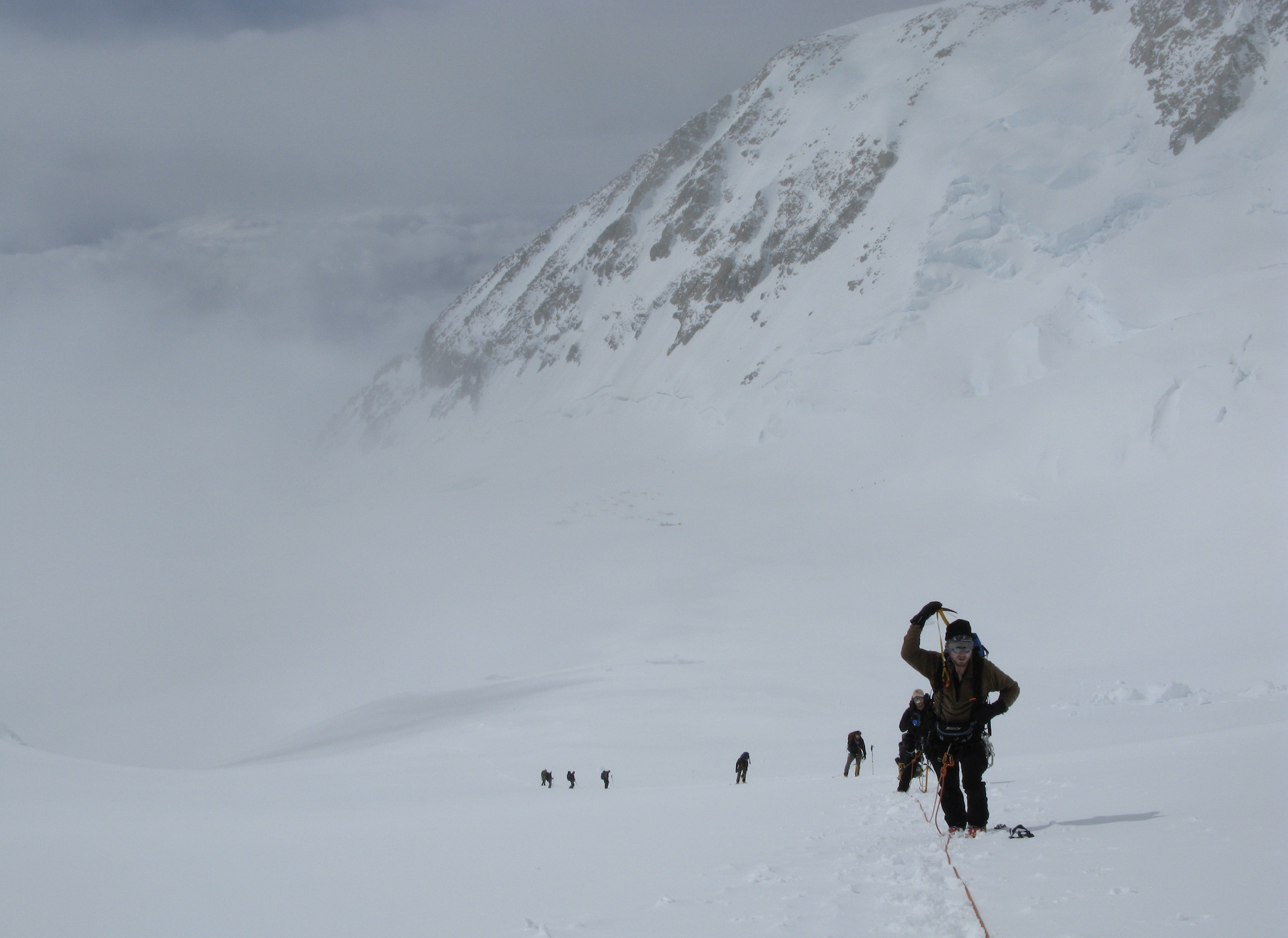
High ‘Effort’ Day on Denali
A few years later, I experienced the same lesson on Aconcagua. The first real climbing day – the day we left the easy terrain behind us and entered the ‘real mountains’ – I found myself making the exact same adjustment. Again, I slowed down.
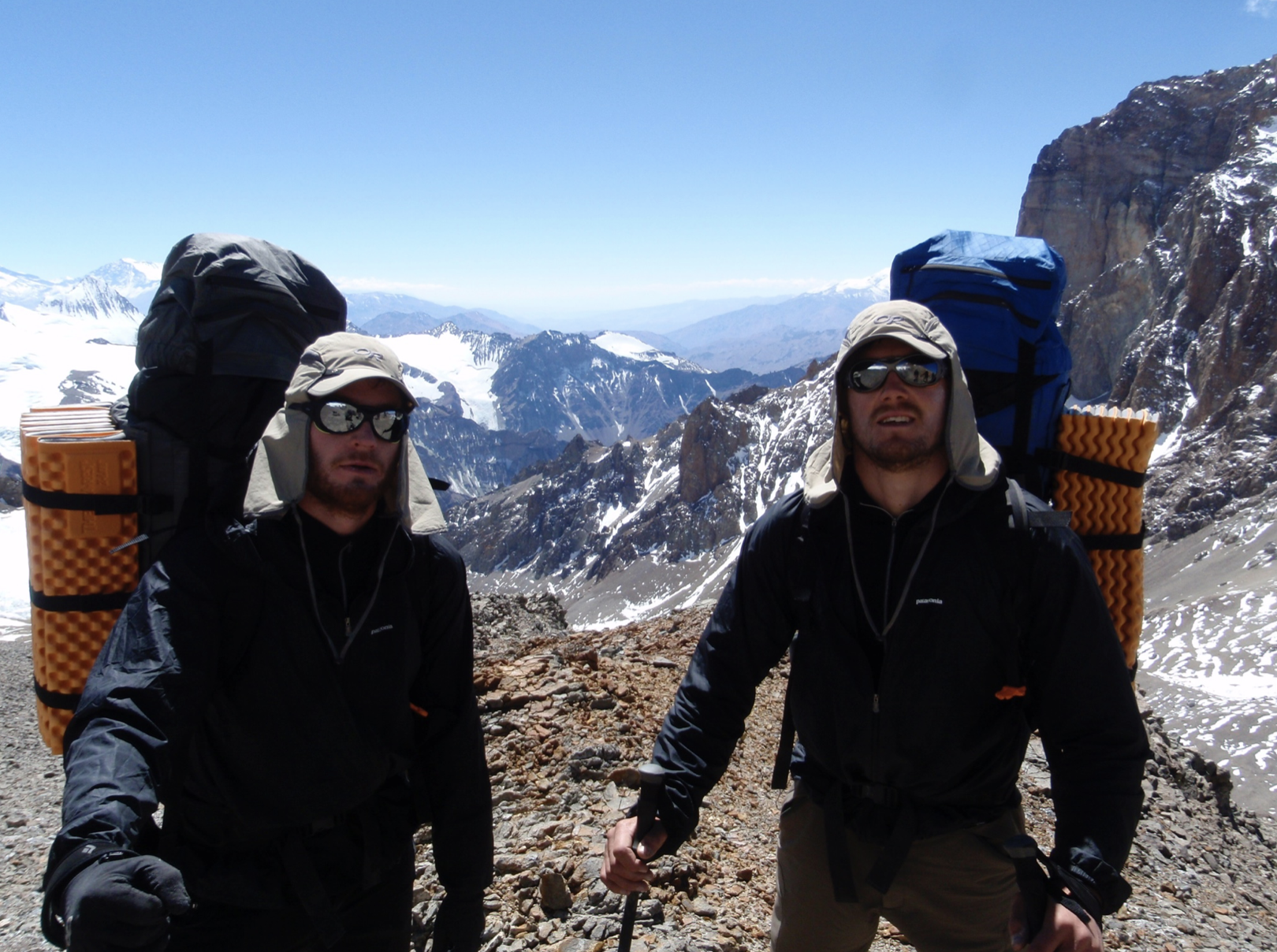
Again in the real mountains of Aconcagua
What struck me was that I wasn't struggling physically the way some other climbers around me were. I was grasping for air a bit because I had not yet fully acclimated. But my legs felt strong. My back and shoulders could handle the load.
This wasn’t because I was some naturally gifted mountaineer. It wasn’t because I had moved to the mountains and trained at altitude. In fact, I had prepared mostly for these expeditions while living in Virginia Beach.
Virginia Beach is flat, very flat. And it’s at sea level. There are no ‘fourteeners’ nearby to train on. There are no glaciers or high-altitude passes. It seemed impossible to prepare for the rigors of Denali or Aconcagua from a place like that.
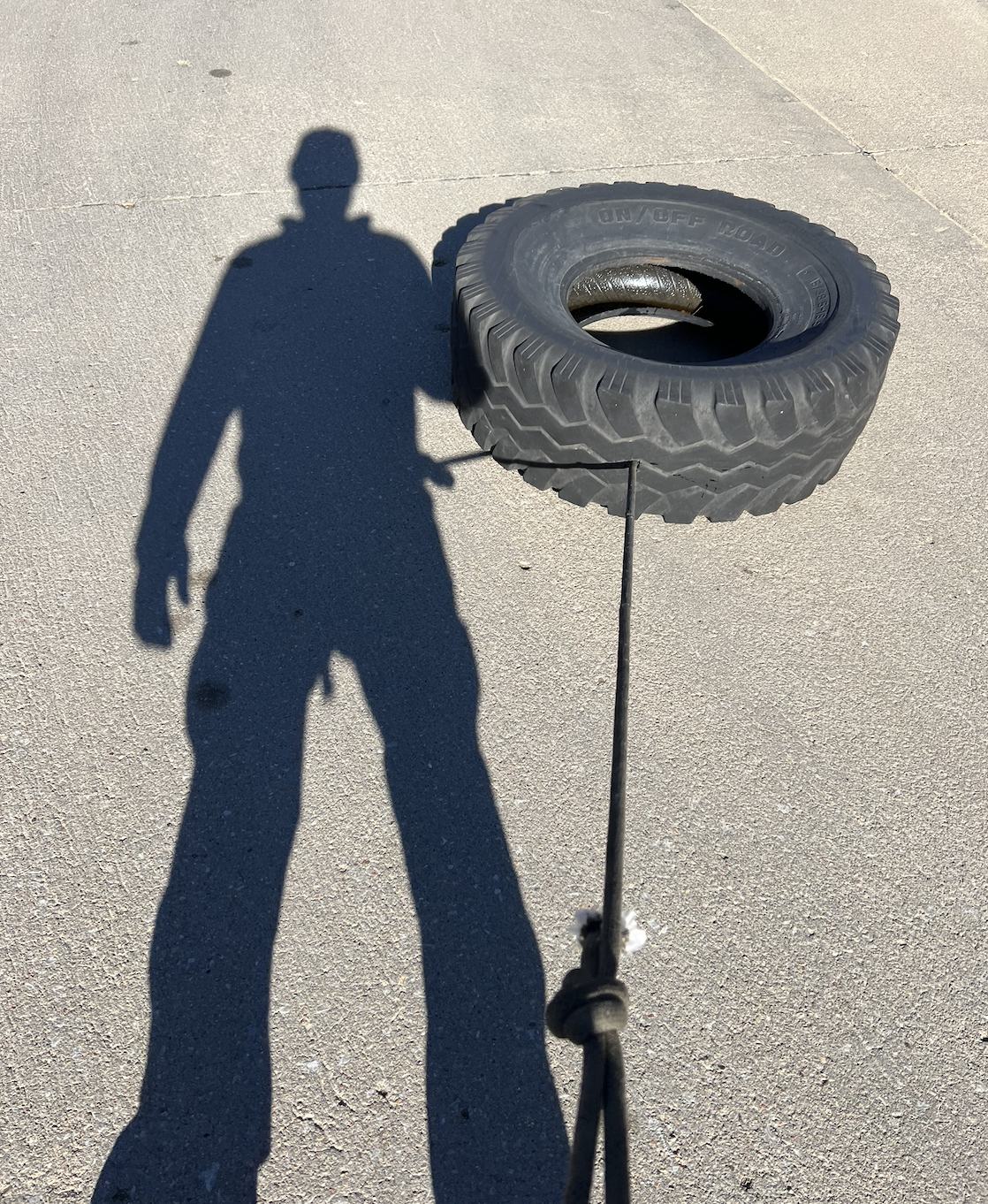
Sea level ‘hill simulator’ - my trusty tire
But preparation isn’t always about having perfect conditions. It’s about being resourceful and making the most of the conditions you have. As I’ve said so many times before, “consistency is more important than perfection!”
Months before each expedition, I built training plans designed to prepare my body for the specific demands of the mountain. Long hikes under load. Stair climbs. Strength training. Endurance work. Countless hours carrying weight, usually in the form of my body armor, either while training or on deployment. My ‘sessions’ weren’t always that exciting, but they were always purposeful.
The goal wasn't to become the strongest climber in the world. The goal was more realistic: to arrive ready and as prepared as possible.
When I finally stepped onto the glaciers of Alaska and the slopes of the Andes, I discovered something important: preparation travels. The WORK you do months before the climb accumulates and shows up when you need it most.
Every training session is like a deposit into a bank account. When conditions become difficult, you start making withdrawals. Those of us who prepared thoroughly had reserved available. Those who were less prepared operated on borrowed time… and were just a bit more miserable.
Of course, physical preparation is only one piece of the equation. The mountains demand mental preparation as well. You need to understand the route. You need to know what challenges are coming. You need to study weather patterns, camps, elevation profiles, and contingencies.
Every successful expedition begins long before anyone steps onto a trail. The planning matters. The research matters. The understanding matters. The more uncertainty you can remove before the climb begins, the more capacity you must deal with the uncertainty that you will face at altitude.
Then there is the equipment. In many environments, gear is a convenience. In the high mountains, gear is survival. The right boots, clothing systems, sleeping bags, tents, gloves, and technical equipment aren't luxury items. They are life-support systems.
A mistake in gear selection can quickly become a safety issue. The wrong gloves, inadequate insulations, poor footwear or just new footwear, and the wrong layering systems can turn a manageable day into a dangerous one.
Again, preparation is the difference. The gear must be researched, tested, adjusted, and understood before the expedition begins. The mountain is a terrible place to discover that something doesn't work. Thankfully, we had great guides. They helped us procure the right equipment for these environments.
This mindset felt very familiar to me because it was exactly how we approached missions in the SEAL Teams. People often assume elite military units succeed because they're tougher than everyone else. That's only part of the story. What separates elite teams is usually preparation.
Every mission involved detailed planning, rehearsals, equipment checks, contingency plans, intelligence gathering, communication plans, and endless repetition.
We didn't prepare because we expected everything to go according to plan. We prepared because we knew it wouldn't. Preparation gave us options when conditions changed. Preparation reduced uncertainty. Preparation created confidence. And preparation kept people alive.
The same principle applies on a mountain. The summit is only one of the objectives. I remember Mark Twight laying out the objectives, in order: 1). Return home alive. 2). Return home still friends. 3). Return home having summited.
Anybody can have a good day when the weather is perfect, the trail is easy, and everything goes according to plan. The real test comes when conditions deteriorate. That's when preparation reveals itself. That's when all those early mornings, training sessions, planning meetings, and equipment checks start paying dividends.
As I prepare for Kilimanjaro, I find myself returning to the same lesson once again. Kilimanjaro is a different mountain than Denali or Aconcagua, but the principle remains unchanged. The more we prepare the more we give ourselves an opportunity to succeed. The more consistently we train the better we will handle long days on our feet. The more we know about the route, the more confident we’ll be. The more we research and test equipment the more comfortable and safer we’ll be when conditions change. Most of all, the more we prepare mentally the more ‘ready’ we’ll be for those inevitably difficult days.
There are no shortcuts. There never have been. Whether it's a combat deployment, a business challenge, a mountain expedition, or life itself, success is usually determined long before the defining moment arrives. The defining moment simply reveals the work that was done beforehand. That's why preparation matters.
Because when the pressure arrives, when the altitude increases, when fatigue sets in, and when conditions become uncomfortable, we don't suddenly become something new. We become exactly what we've prepared ourselves to be.
We don't rise to the occasion. We fall to our level of preparation.
Onward and upward!
To learn more about our upcoming expedition, please check out the Global Partners in Hope website. To follow along or contribute, check out our page here.