

No Mountain, No problem
Over the past few weeks, I’ve been writing about past climbs of Denali and Aconcagua, along with our upcoming climb of Kilimanjaro. One question keeps coming up: “How do you train for something like that while living somewhere like Omaha, NE?”
It’s a fair question. Omaha sits at about 1,060 feet above sea level. There are few hills – but nothing resembling a ‘mountain.’ No long climbs. No altitude and no rugged terrain.
So how do you prepare your body for the rigors of climbing a mountain like Kilimanjaro when your daily environment looks nothing like that?
The short answer: You get creative. You focus on the fundamentals, and you do the best you can with what you have where you are. Limitations create resourcefulness.
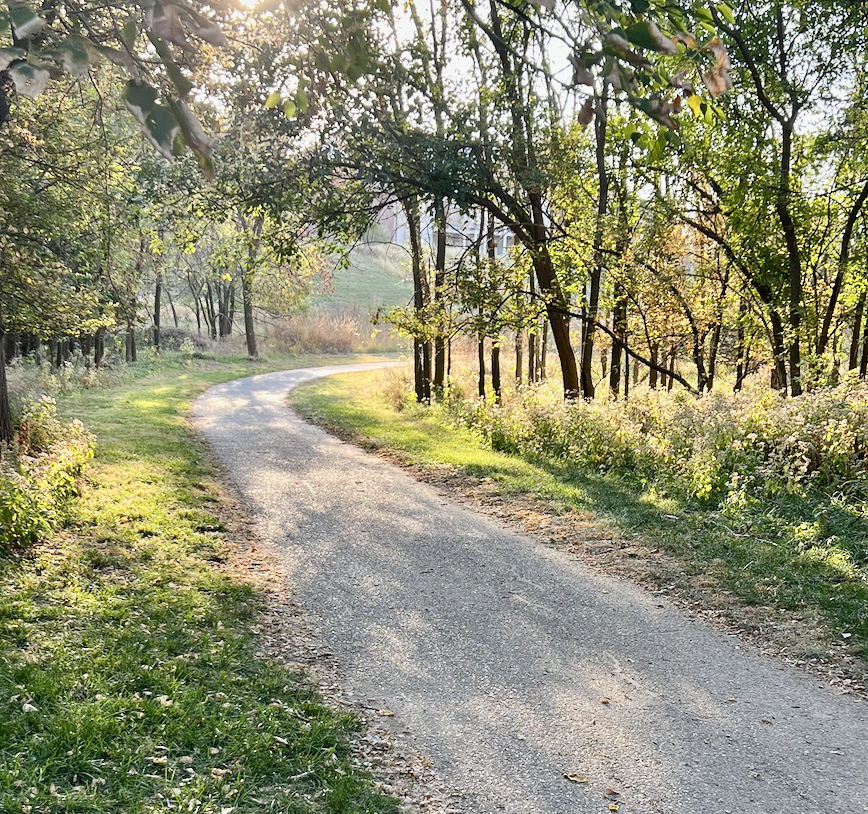
The local bike trail near our home in Omaha… not many hills!
Training for Big Mountains at Sea Level.
When I trained for Denali (2008) and Aconcagua (2009), I was living in Virginia Beach, Virginia. It sits at sea level and also had very few hills to hike. The best “hill” in the area was Mount Trashmore – a repurposed landfill.
So, I didn’t have altitude and didn’t have mountains. I didn’t focus on what I didn’t have. I focused on what I did have:
A solid fitness base from being a Navy SEAL
Access to simple equipment
And exposure to a couple of mentors who shaped how I thought about training
The discipline necessary to put a program into action.
The two mentors that stand out the most:
Pavel Tsatsouline — who introduced me to kettlebell training and a radically simple approach to strength and conditioning.
Mark Twight — a world-class mountaineer who emphasized brutal honesty about what the body needs to perform in the mountains.
One line from Twight stuck with me: “You can make the engine bigger… but you still have to carry the engine.” This idea reframed everything. It wasn’t just about strength. It was about the all-important “power-to-weight” ratio, along with durability and the ability to move efficiently under load for long periods of time.
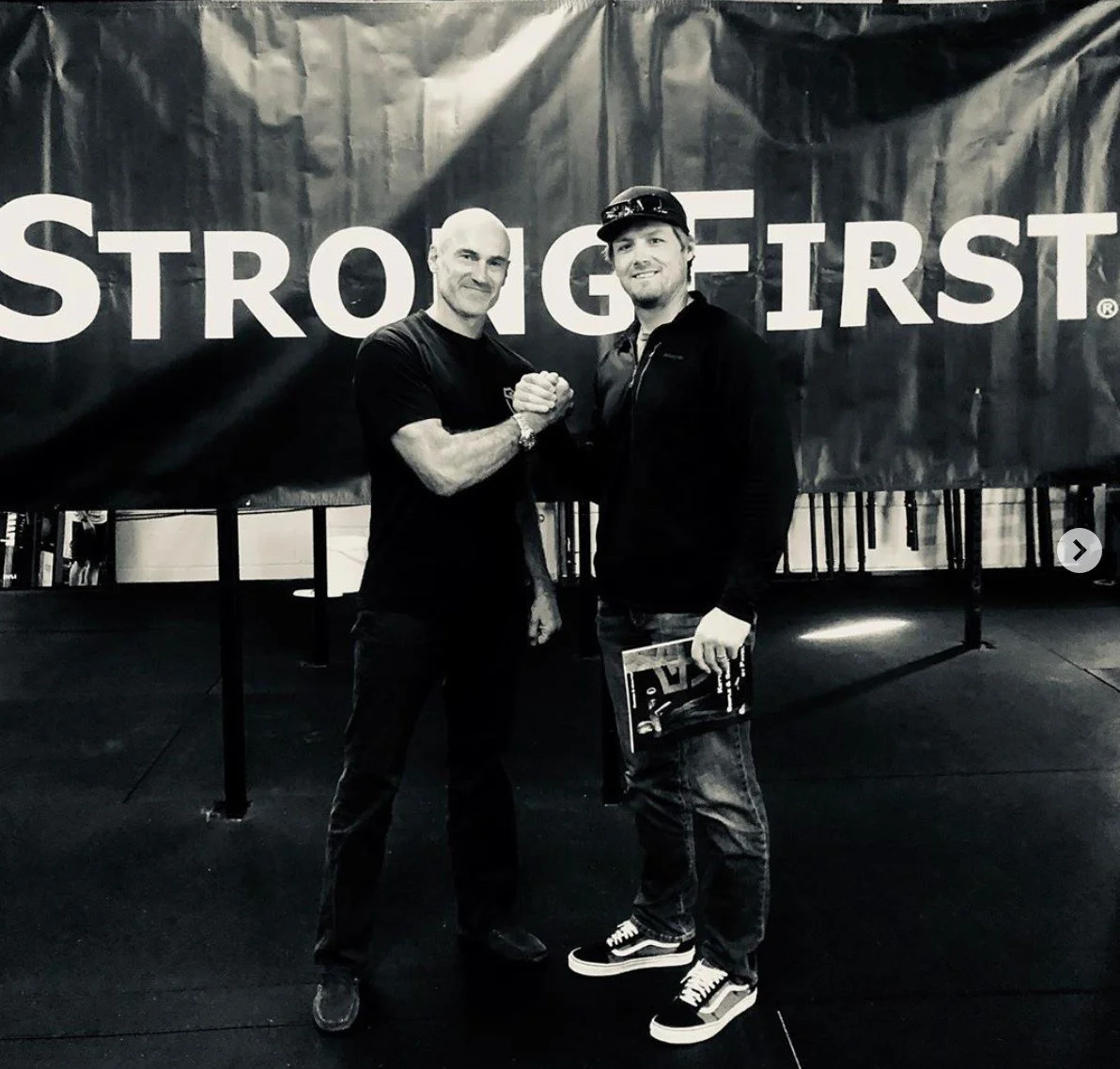
Taking a quick pic with Pavel at a StrongFirst event.
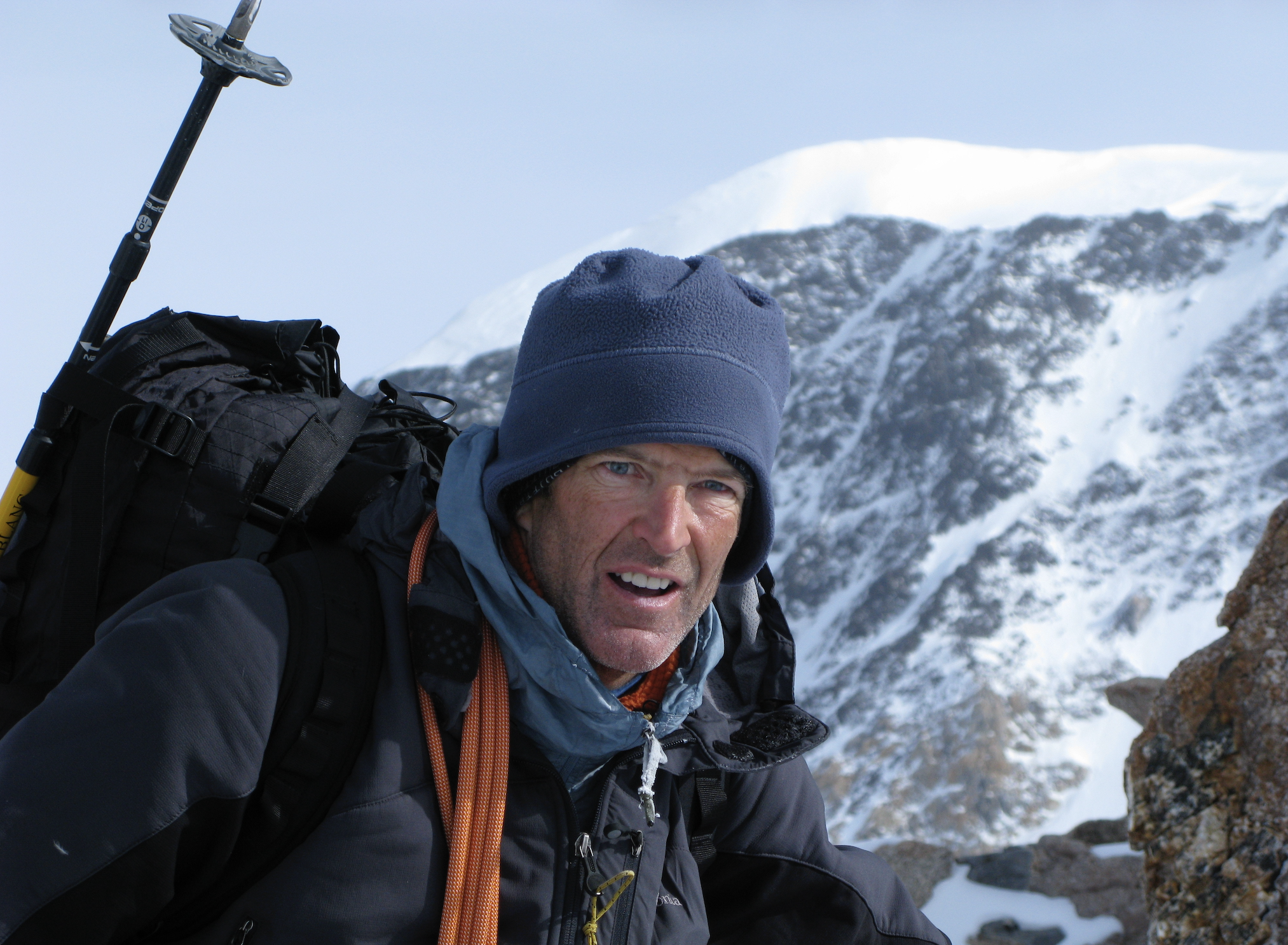
One of the few pics Mark didn’t take on our climb of Denali.
The Foundation: Being “Fit for the Fight”
To be clear, I didn’t start from zero. I was an active-duty Navy SEAL. Being in shape wasn’t optional – it was necessary for survival. Your body is your “combat chassis.” It is the delivery system that gets you to the mission and back.
Being in the SEAL Teams meant being in shape wasn’t optional—it was survival. Your body is your “combat chassis.” It’s the delivery system that gets you to the mission and back.
That often meant: Long movements under loads of 70+ pounds. Repeated efforts over days and even weeks and being able to perform while fatigued.
That baseline helped. But mountaineering is a different kind of stress. It’s slower, longer, and involves moving up and down bigger ‘hills’ at higher altitudes. It was similar though in many ways too. Mostly the punishing of your joints and connective tissues.
So, the question was: How do I adapt that base for the mountains without access to mountains?
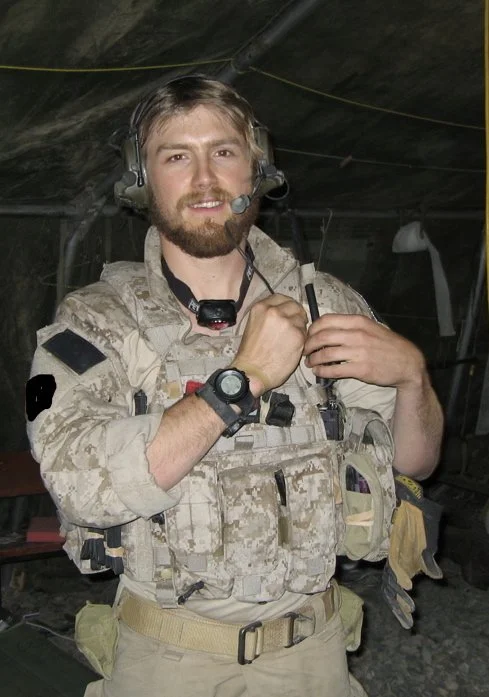
Getting ready for a long walk at night in the desert…
Denali: Building a “Horizontal Hill”
Denali introduced one major challenge: sled hauling. We’d be pulling heavy sleds across glaciers for hours at a time. So, I asked myself: How do I replicate that?
My solution was simple—and a little unconventional. I found an old HUMVEE tire, drilled a hole in it, attached a rope and belt, and started dragging it along a bike path. I called it my “Horizontal Hill Simulator!”
It worked by creating friction. Every step required additional force production. It mimicked (somewhat) the grind of an uphill movement. It felt like hiking uphill, and it duplicated one important task: sled hauling!
I’d drag my tire 2 times each week for 1 to 2-hours at a time. It wasn’t high tech and it was not glamorous. It was brutal and very effective.
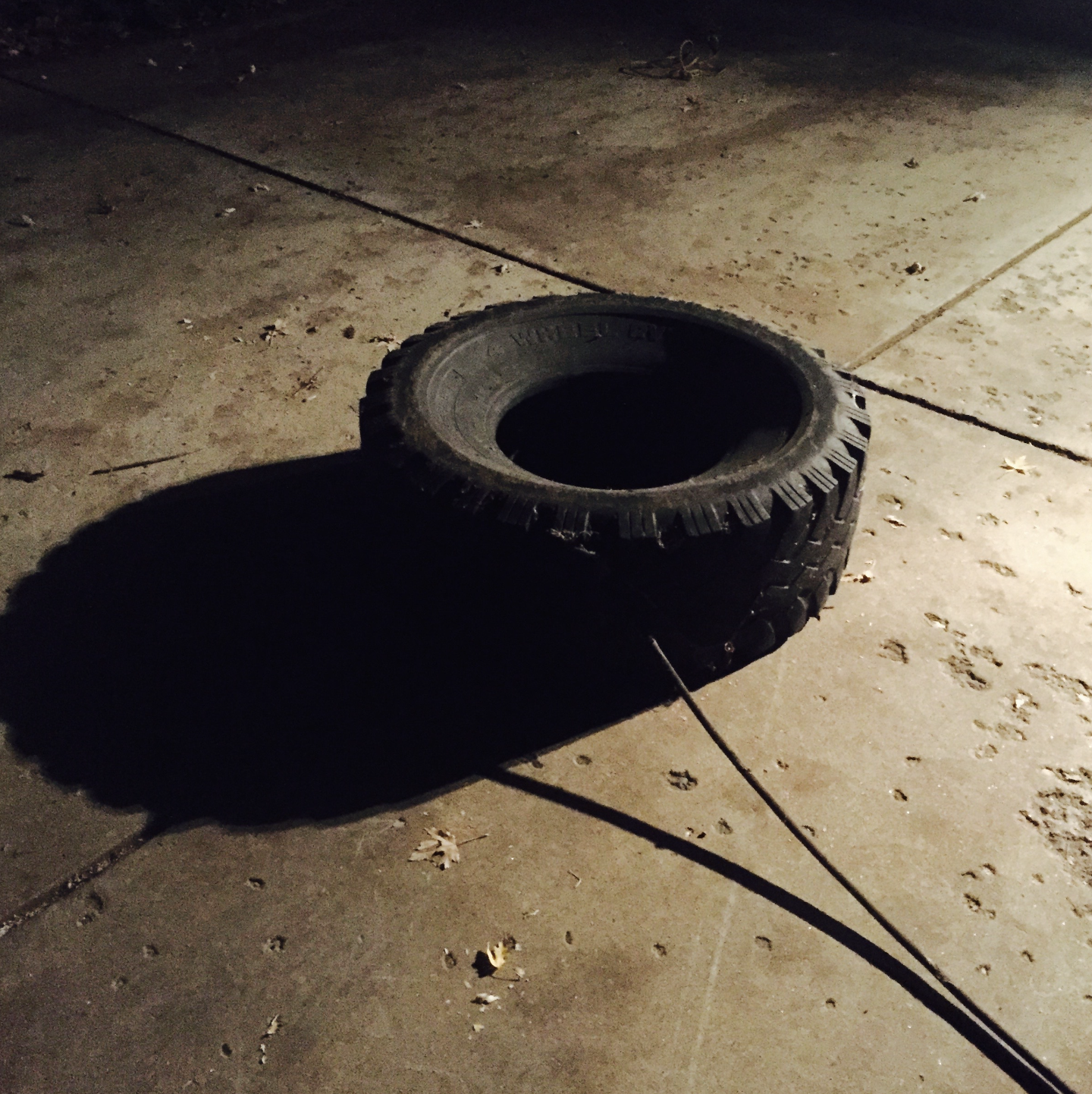
The “Horizontal Hill Simulator” awaits an early morning drag in the neighborhood…
Loaded movement: Training the Right System
In addition to tire drags, I did a lot of incline treadmill walks and even stair stepper sessions. Typically, I’d carry a pack weighing 40-50 pounds. This was my primary form of “cardio.” Traditional cardio – bikes, ellipticals, even running – can be very helpful. But it misses a critical component: Tissue tolerance.
Mountaineering isn’t just about your heart and lungs. It’s about preparing your feet to handle hours of impact. It’s about building ankles, knees, and hips that are stable under load. It’s about building a back and shoulders that support that load for a long time. Loading walking trains all of that. It’s specific and it transfers. It builds durability that you cannot fake above tree line.
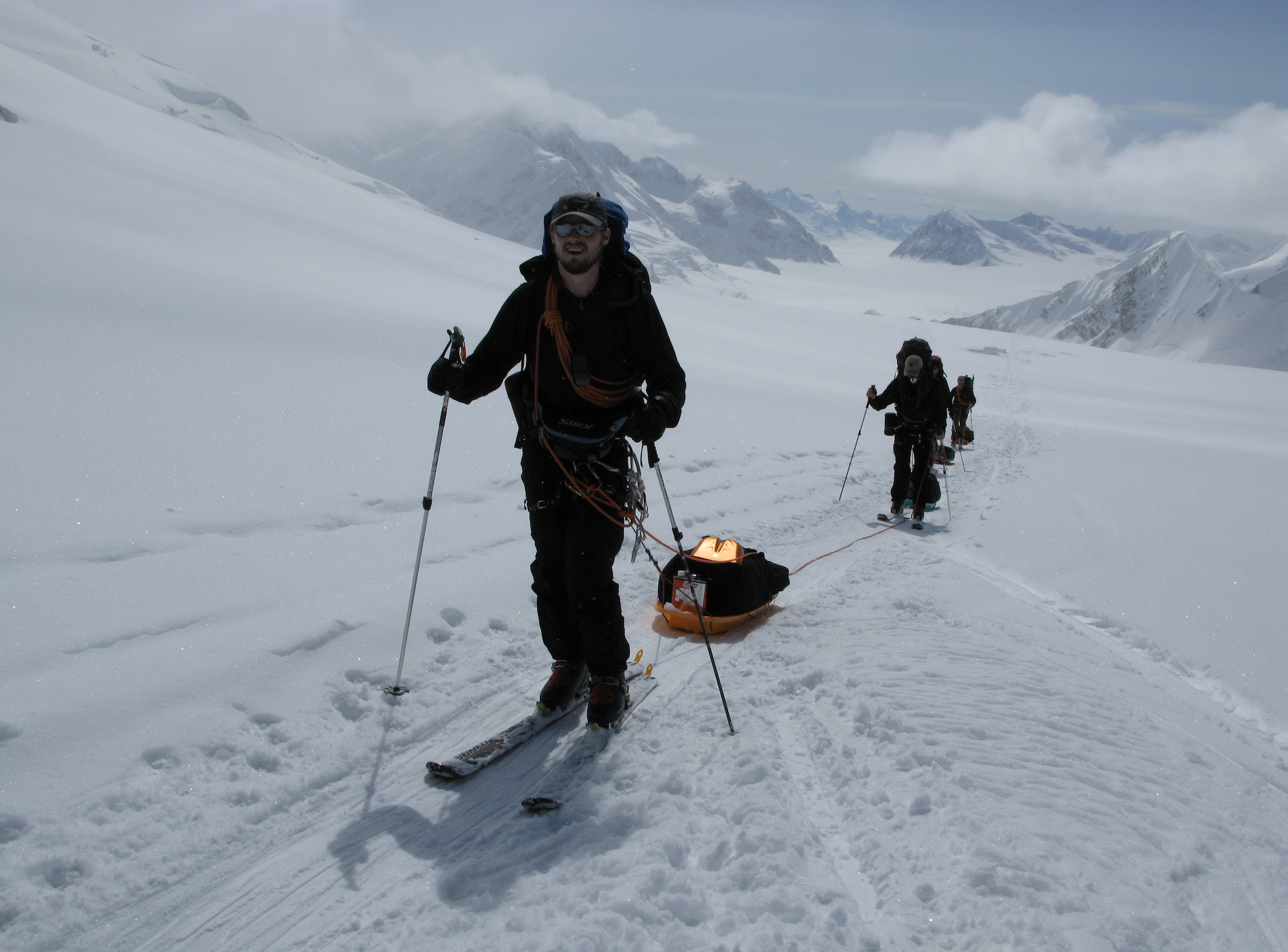
Denali: a combination of rucking and dragging a sled in an uphill direction!
Strength Training: Simple, Not Easy
My strength work was intentionally minimal and focused. Twice per week, I would do heavy kettlebell swings and relatively heavy kettlebell cleans with presses.
The kettlebell swings were typically done with my trusted 32kg (roughly 72 pound) kettlebell. I’d do sets of 5-10 reps and accumulate anywhere from 100 – 200 reps.
The kettlebell presses were usually done with my other trusted kettlebell, a 24kg (roughly 53 pounds). These were all sets of 5 or less. Low reps and high tension.
In addition to the kettlebell, I added single leg work like pistols and off-box squats (like a reverse step-up). Then, I’d do my pull-ups daily in the “Grease-the-Groove” style.
That was it. No complicated programs. No bodybuilding splits. Just power, strength endurance, and stability. All in a manner that wouldn’t induce any excess hypertrophy.
What I didn’t fully realize at the time was that I was doing what Pavel would later call anti-glycolytic training (AGT)—building strength and endurance without excessive fatigue or bulk. That mattered. Every pound you carry up a mountain… you also have to carry back down.
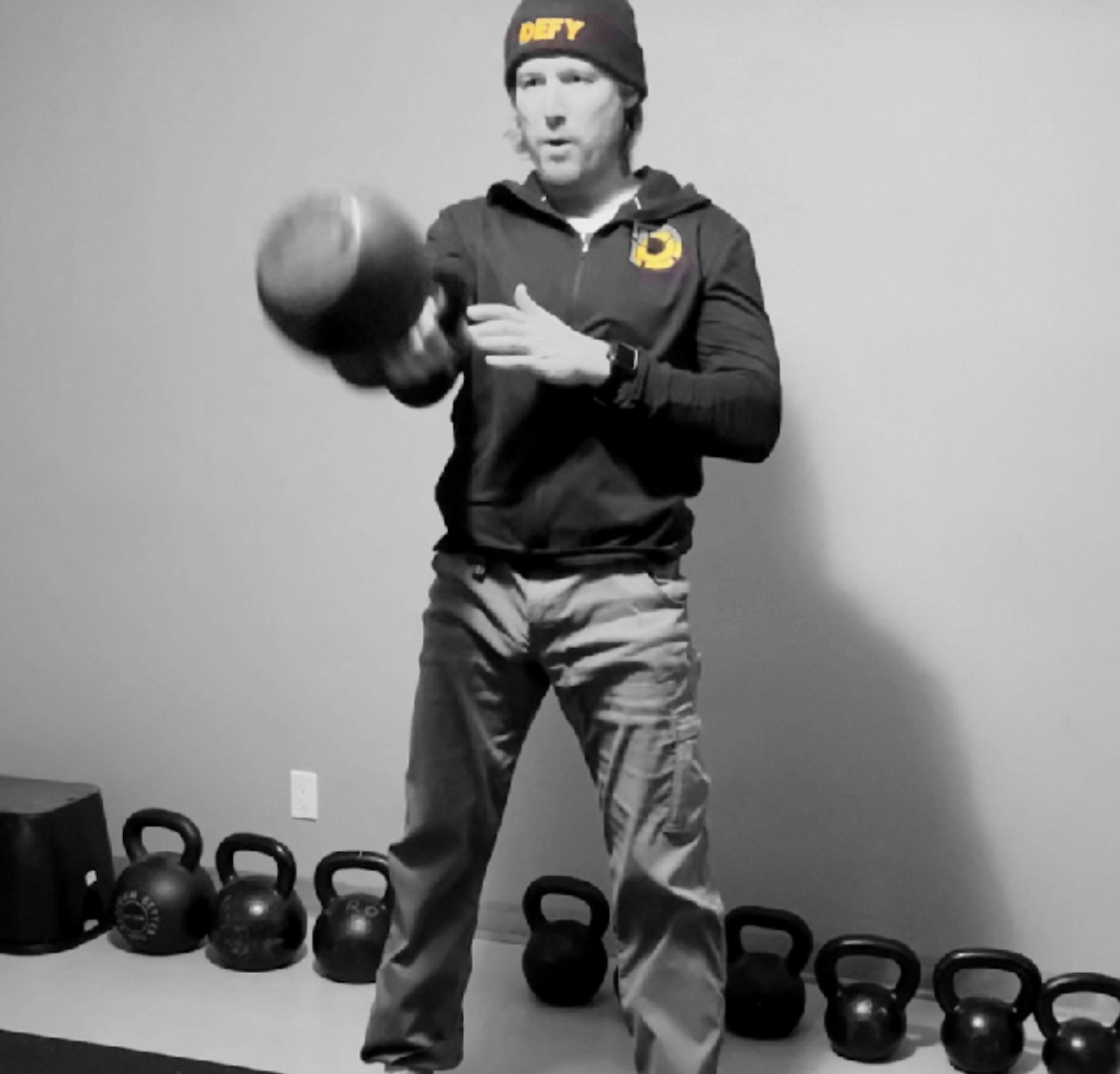
The one-hand kettlebell swing at 32kg… simple and effective!
Iraq: The Tactical Advantage
Here’s where things got interesting. Before Denali, I deployed to Iraq. While there, I stuck to my training: Kettlebells, Pull-ups, Single Leg work, Tire drags on base (now on gravel), and even the terrible treadmill occasionally.
But the real benefit came from something I didn’t initially appreciate: Time under load.
On missions, we’d typically cover long distances on foot, carrying loads of 70 pounds or more, often for hours at a time. It wasn’t always intense. Much of it was low-level effort – what today might be called Zone 1 or maybe Zone 2 cardio. It added up.
Hours on the feed. Full nights spent under load. Repeated exposure repeatedly. At the time, it didn’t feel like I was helping my cause. Looking back, it may have been the most important piece of the puzzle.
We finished a tough deployment, took a week of leave…and went straight to Denali. My body was ready.
Aconcagua: Same Program, One Key Difference
For Aconcagua, I kept most things the same: Tire Drags, Loaded incline walks on the treadmill, kettlebell training and some body weight single leg work with pull-ups. I made one adjustment: more quad strength.
On Denali, my posterior chain (glutes, hamstrings) was strong—but my quads lagged, especially on the descent. I could load the posterior chain going up, but you have to use quads going down. On Denali, my quads were lacking. In mountaineering, the descent is more dangerous than the ascent usually. So, I added some squats to help further prepare.
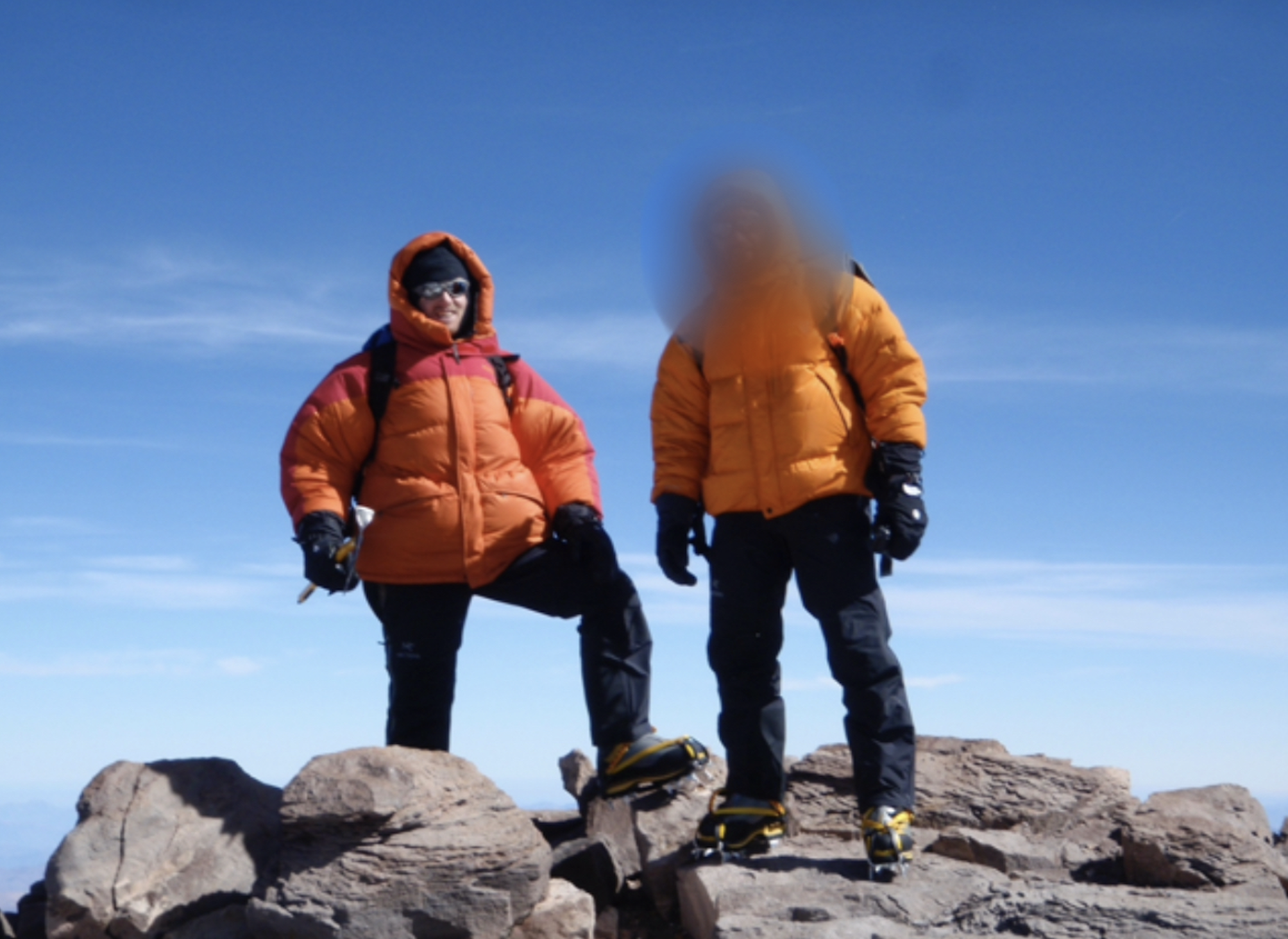
On the summit with a teammate. We were the first to reach the top (but it wasn’t a race, ha ha).
What I couldn’t Replicate
There was one other major difference between Denali and Aconcagua training: before Aconcagua, I wasn’t deployed. I was training from the comforts of home in Va Beach. That meant: less time under load, less real-world movement, and more reliance on the gym.
Ironically, I spent more time training for Aconcagua. But I was less prepared in one key area: tissue tolerance. That’s the lesson. You can have great cardio. Strong legs and solid lungs. But if your body isn’t used to the specific demands the activity imposes, you won’t be as prepared.
On Aconcagua, I spent more time training, but I wasn’t quite as prepared. I didn’t have the ‘luxury’ of spending long nights in the desert wearing 70+ pounds of gear.
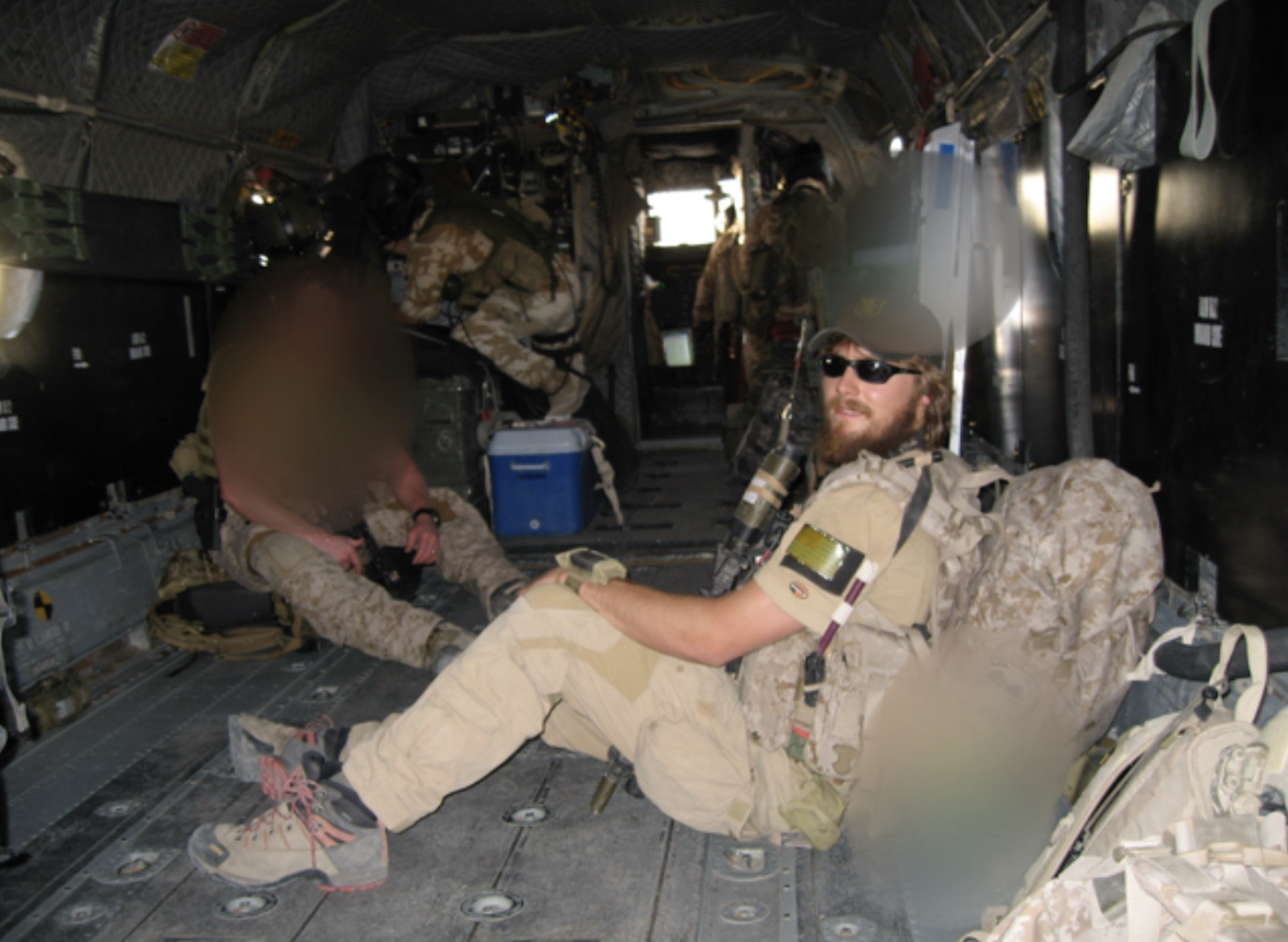
It’s hard to replicate the demands of a deployment from the comforts of home.
The Results
Despite the differences, the outcomes were the same. I summited both mountains and was well prepared for both. I was as fit as anyone else doing the climb. Even the guides commented on my readiness. All of that was built at sea level on flat ground.
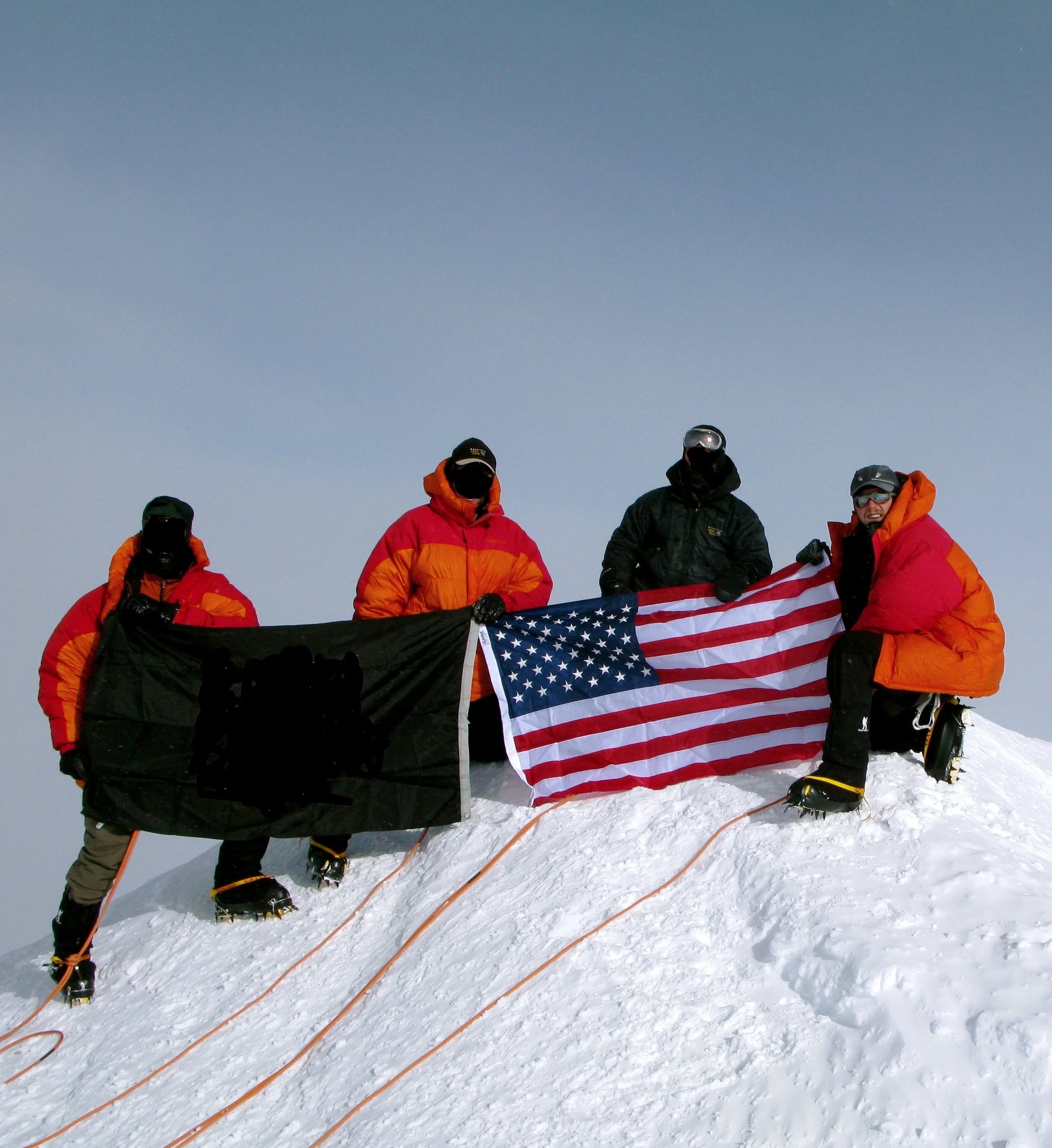
Bill, John, Rob and I from the top of North America (photo courtesy of Mark Twight!)
What Actually Matters
Looking back, a few principles stand out to me.
Specificity beats perfection. You don’t need mountains or high altitudes. You just need to find ways to replicate the demands imposed by the mountains: Loads, Duration, Repetition.
Strength + endurance > either alone. Kettlebells worked because they built both. They help build sustained power, overall conditioning and core stability. All in one tool that takes little space.
Time under load is king. This is the hidden advantage. Nothing replaces hours spent on your feet, carrying weight, and repeating it for long duration, a few times each week.
Durability matters more than peak fitness. Cadio is easy to measure. Durability isn’t. But that’s what keeps you moving when things get hard.
Power-to-weight ratio wins. Bigger isn’t better. Strength gains that come only because of muscle gain don’t help much on bigger climbs. Strength relative to your weight is the key.
The Big Takeaway
You don’t need perfect conditions to prepare for something hard. But you do need clarity on what matters most. You also need some creativity to solve for constraints. Most of all you need the discipline to train consistently. I’ve often said to those who ask, “What is the best program to follow for _____?” The answer I’ll give, “The program you’ll follow.” Adherence is key.
I trained for the highest mountains in North and South America, at sea level, with a tire, a treadmill, and a kettlebell. And it worked just fine.
Sure, I would have ideally moved to the mountains of Colorado and trained at altitude doing hikes with load. But ideal conditions are not a reality for those of us who aren’t professional climbers, or professional athletes in general.
Next: Kilimanjaro
Now, more than a decade later, I’m preparing for Kilimanjaro. It’s a different season of life. I didn’t get to start my training from the same starting point, and I have much less time to train.
But I’m focusing on what I do have. I have more experience and a different perspective. So, the question is: How do I train now? I’ll break that down in the next article.
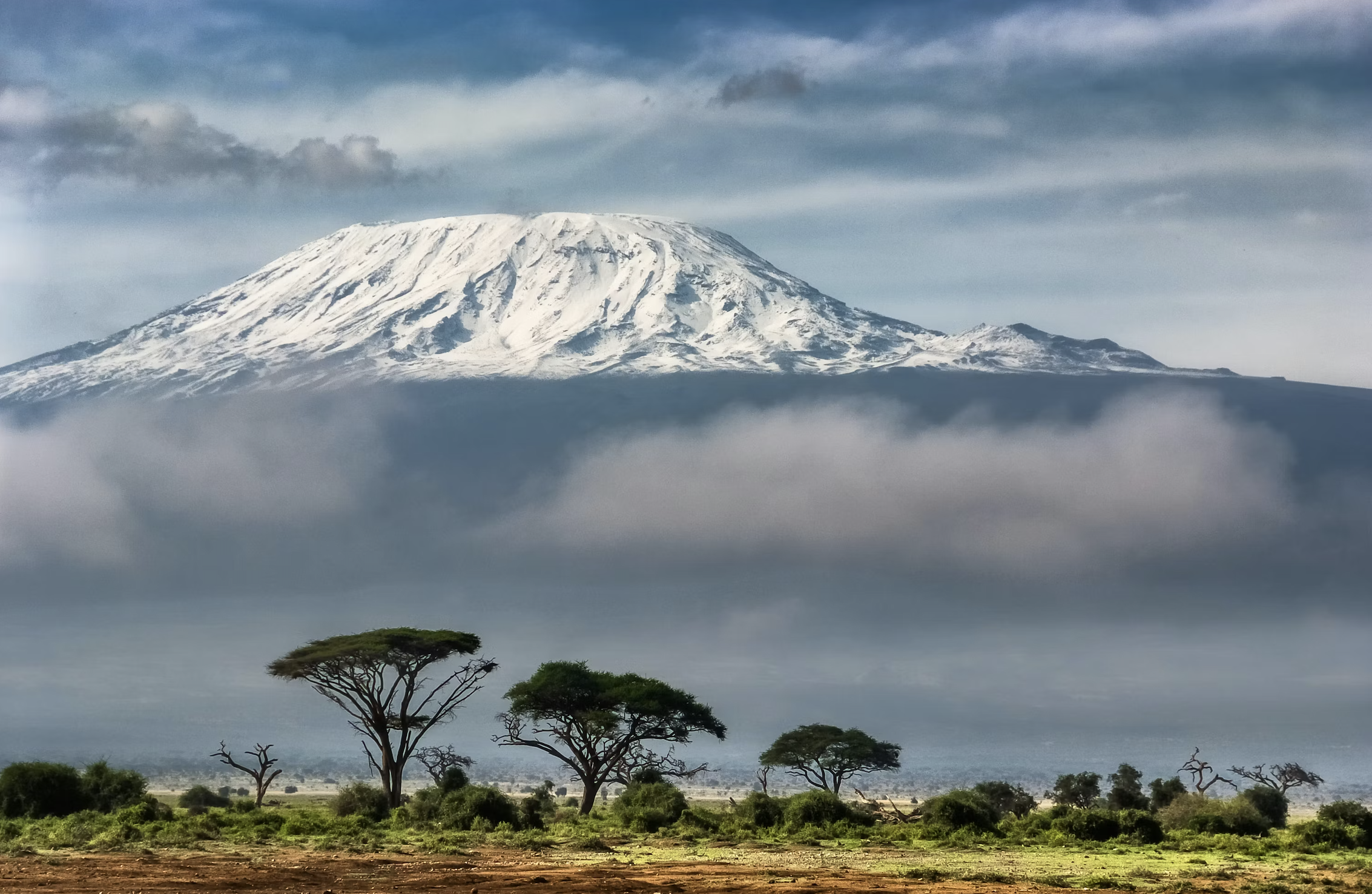
Next up: Kilimanjaro!
Mission: Summit for Hope
The main difference is why I’m climbing. This time, it’s less about what happens on the mountain and more about what happens because of it. We are raising money and awareness for water wells and a new medical facility in Benin. I keep that in mind. The “Why” is much more important than the “How.”
To learn more about the Summit for Hope Expedition and our upcoming climb, click here.