

From the Plains to the mountains
How I’m Preparing for Kilimanjaro… from Omaha!
A few weeks ago, I wrote about how I trained for Denali and Aconcagua while living in Virginia Beach — another place that sits basically at sea level and has almost no real mountains nearby.
That article led to the obvious follow-up question: “How do you train for Kilimanjaro while living in Omaha?”Fair question.
Omaha sits at roughly 1,000 feet above sea level. We don’t have mountains here. We barely have hills. There’s no alpine environment, no long vertical climbs, and no easy access to altitude. Just neighborhoods, bike trails, treadmills, and wind.
But over the years, I’ve learned something important about mountain training: Perfect conditions are nice. Consistency matters more.
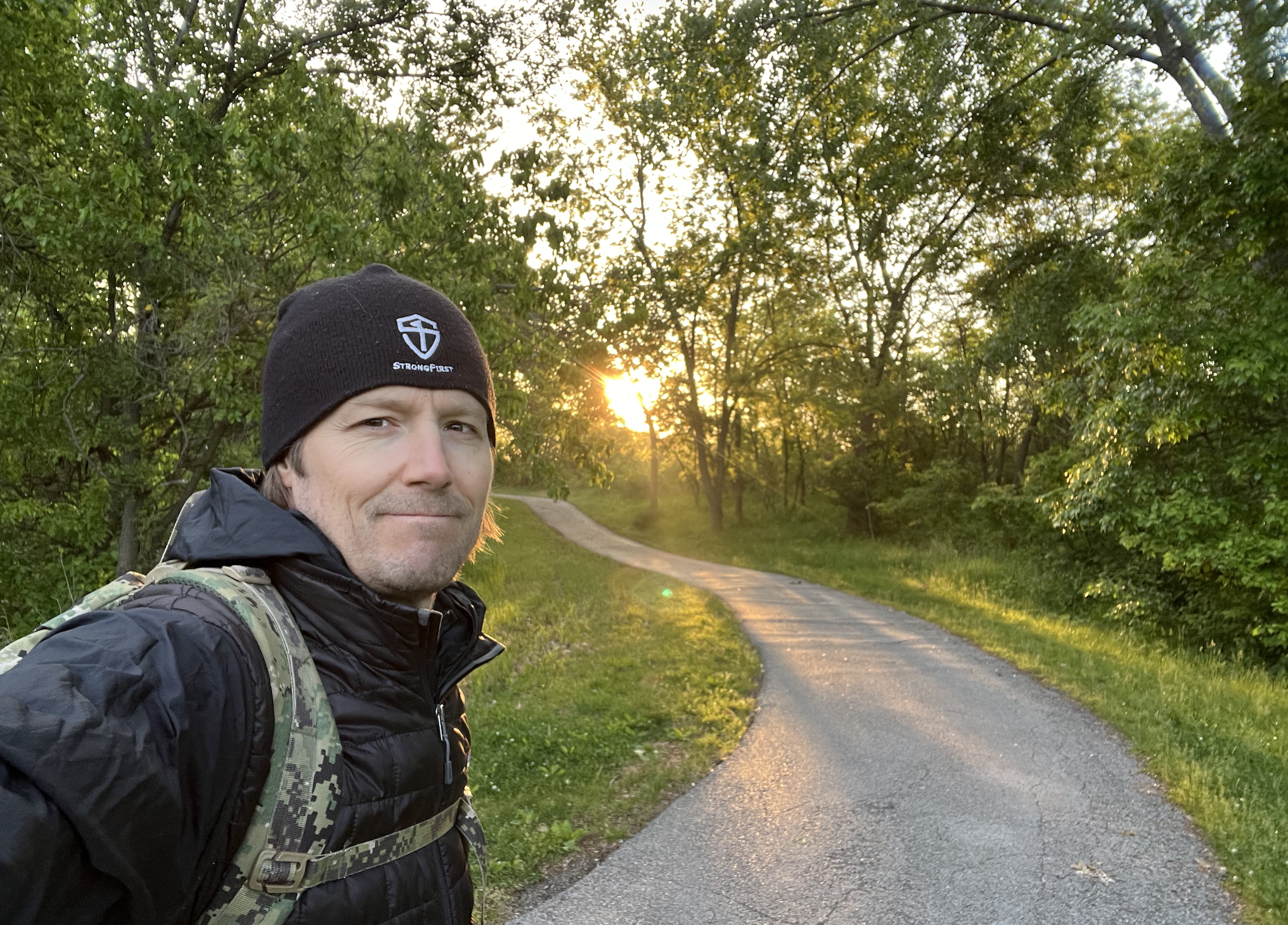
Mornings ‘on the path!’
A Different Starting Point
The last time I prepared for a major climb, I was still an active-duty Navy SEAL. My body was already conditioned for hardship. Training wasn’t something I had to “fit into” life — it was part of the job. This time is different.
I’ve now been out of the military for more than 15 years. I’m older. Recovery takes longer. My current job is mostly behind a desk instead of in the field. Like most people with careers and responsibilities, finding time to train isn’t always easy. You don’t ‘find time’. You make it.
That said, I’m also not starting from zero. Fitness has remained part of my life long after the military. I may not train with the same volume or intensity I once did, but I’ve stayed active and disciplined. At 47 years old, I still want to be capable — capable of adventure, capable of hard things, and capable of continuing to push myself physically and mentally.
That matters to me more than looking fit.
Fitness as a Capability
I’ve never really been interested in fitness just for the sake of fitness. That’s probably why I never fully connected with the idea of “the sport of fitness.” For me, training has always been about capability. I want to be healthy, of course. But more importantly, I want to be able to do things.
I want to be able to hike mountains, hunt, ski, train martial arts, work around the house, help people when needed, and say yes to adventure whenever the opportunity comes along. I want to remain physically useful.
As we age, physical decline is inevitable to some degree. But too many people accelerate that decline by becoming completely inactive.
It’s easy to spend all your time chasing career success and financial security while neglecting your health. Then one day, you finally have the freedom to pursue adventure — but your body can no longer handle it. That’s not how I want to live.
Someday, when I’m sitting around with my grandkids, I don’t think they’ll care about my step counts, sleep scores, macro counts, workout logs, or even VO2 max scores. They’ll care about the stories. The adventures. The mountains climbed. The lessons learned along the way.
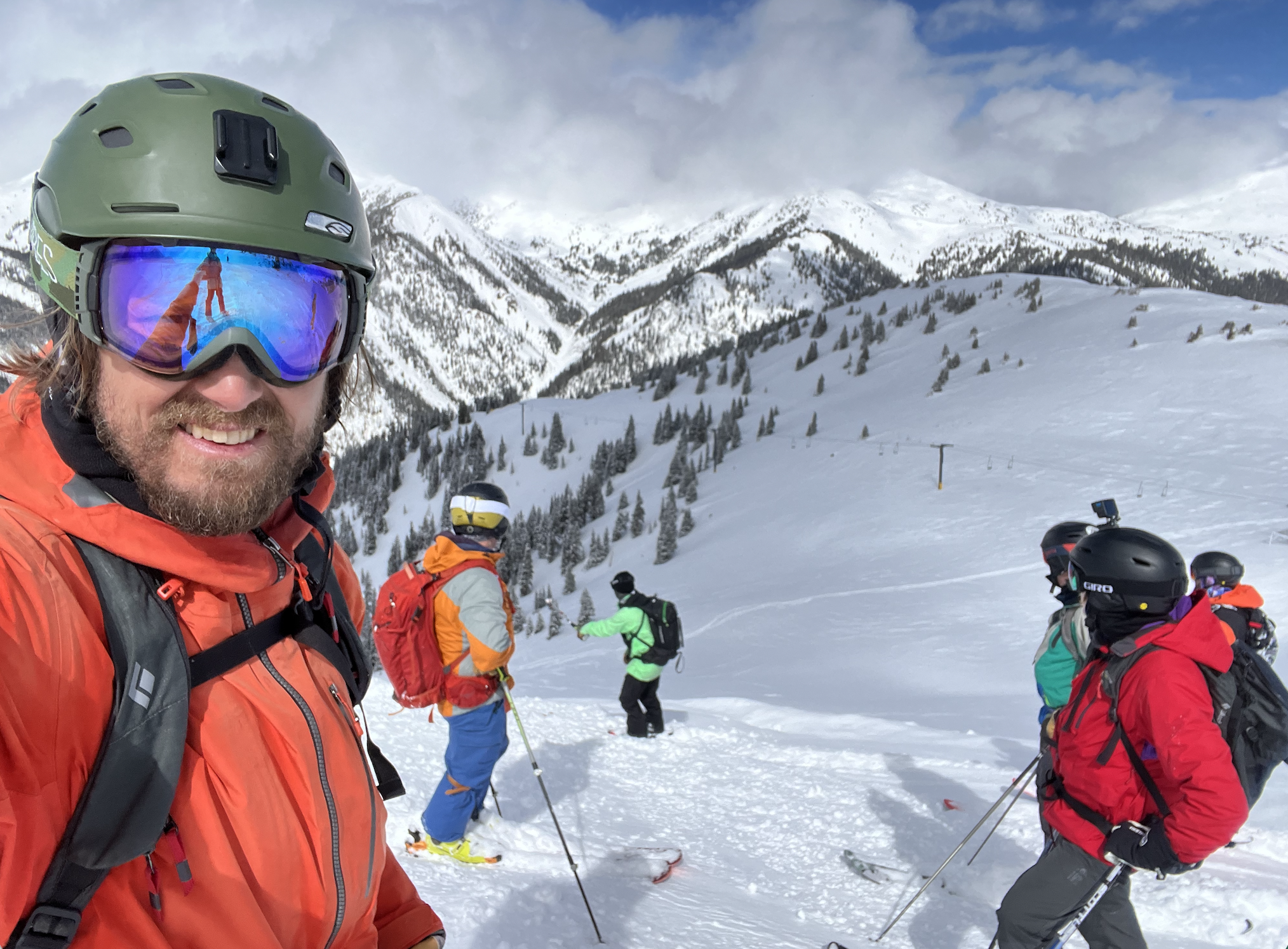
Another ‘adventure’ in the high country!
Building the Engine
Over the years, my training has evolved into a hybrid approach. I’ve spent a lot of time with bodyweight exercises, kettlebells, jumping rope, hiking, and martial arts. I rarely run much anymore because, frankly, it beats me up too much.
Last year, I decided to do a VO2 max test after hearing so much about its connection to health and longevity. I chose the treadmill version despite not having run consistently in years.
The results surprised me. I scored a 52 ml/kg/min, which put me near the top of the “Excellent” category for my age and just below “Elite.” What encouraged me most was that I achieved this score without any running and with very little ‘chronic cardio.’ My programing… or more accurately, my ‘framework’ consisted of bodyweight training, kettlebells, jumping rope, and lots of walking… on top of just being active.
It reinforced something I’ve believed for a long time: You don’t always need complicated programming. Consistency and simplicity still work. The best program is the one you’ll follow.
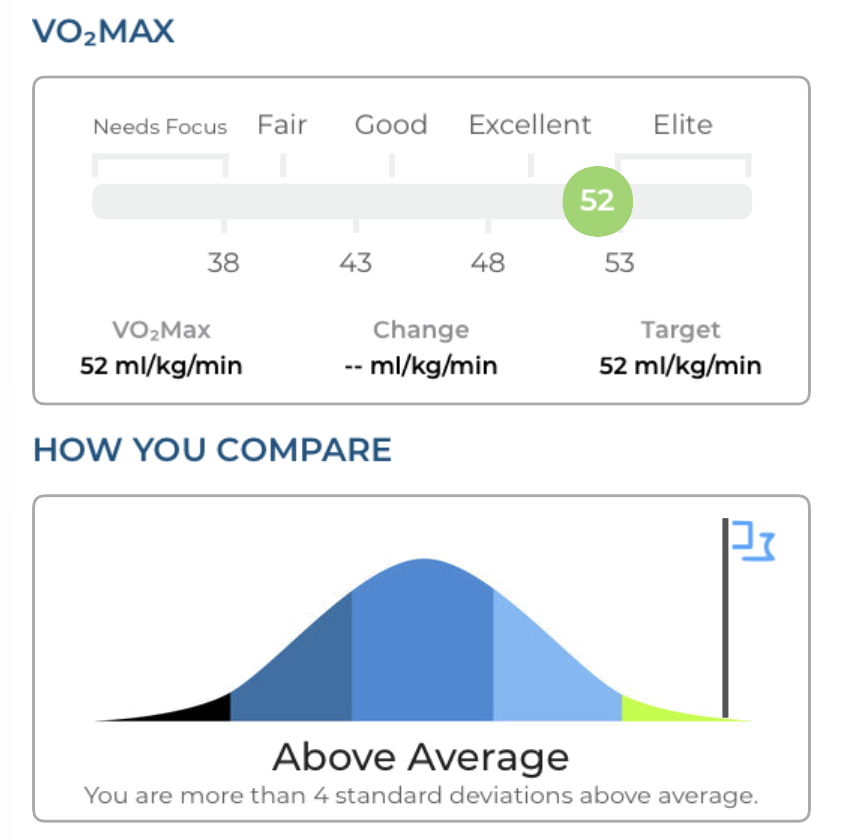
VO2 Max Test Results… The ‘Engine’ still works!
Tissue Tolerance
This may be the most important part of mountain preparation. It doesn’t matter how strong your lungs are if your body physically falls apart halfway through the climb. Big mountains are not just about performance. They’re about durability.
Can your feet, knees, hips, back, and shoulders handle repeated stress day after day? Can you still move well on Day Seven after already spending a week carrying weight, climbing uphill, and sleeping in rough conditions?
That’s where “tissue tolerance” comes in. There’s really no substitute for time on your feet.
For me, that usually means throwing on a pack and heading out to the Omaha bike trails. Nothing glamorous. Just walking. Sometimes 30 minutes. Sometimes over an hour. Usually 5–6 days per week. Frequency beats intensity.
Would steep mountain terrain be better? Absolutely. But consistent work on flat ground is far more valuable than waiting around for perfect conditions.
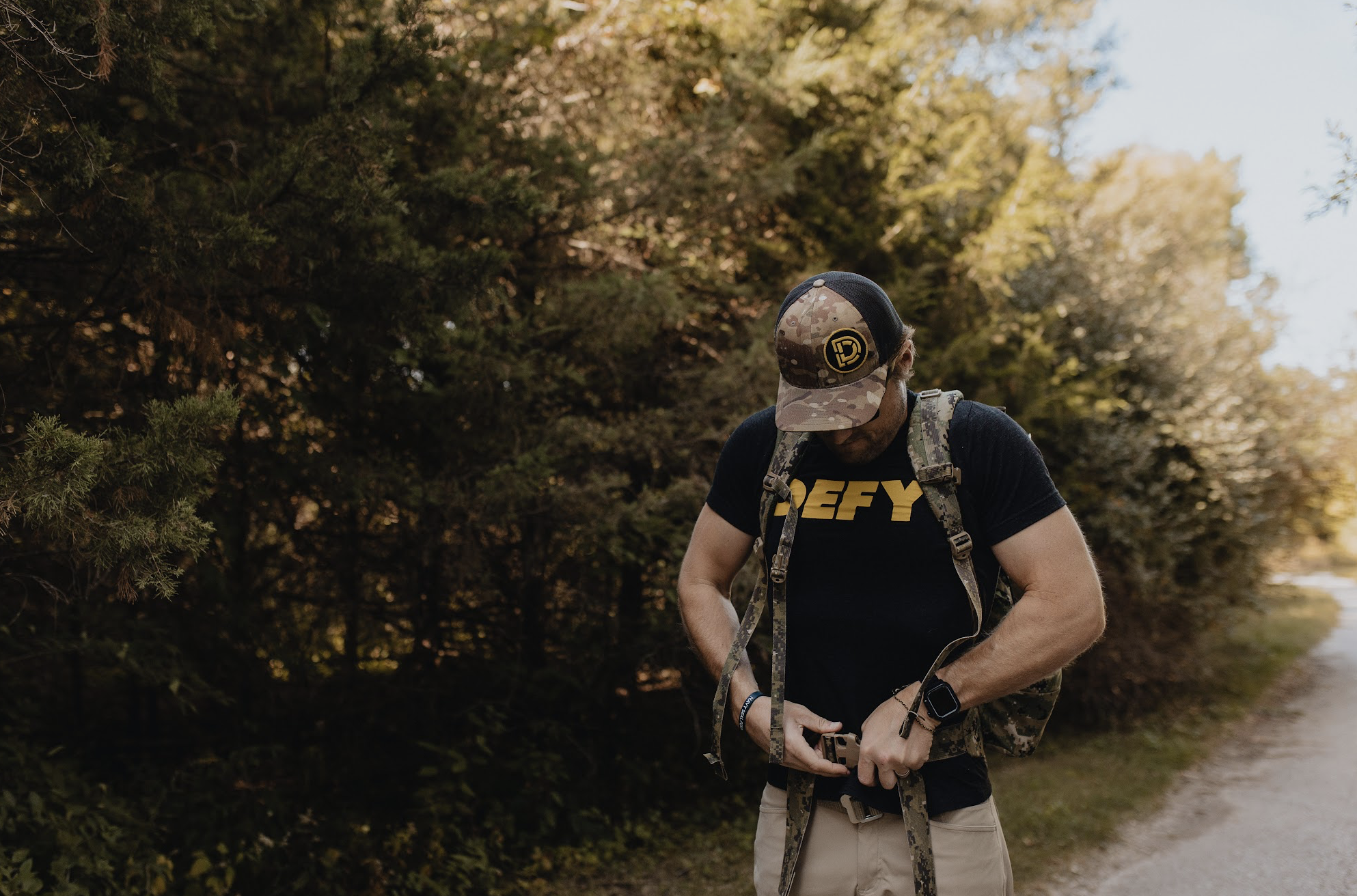
There’s no replacing time on your feet and time under some load!
Strength and Strength Endurance
Strength training has been part of my life for decades, so this is the easiest part for me mentally. I can’t remember a time in my life, ever since junior high, that I haven’t been doing some form of resistance training.
Lately, I’ve focused heavily on high-rep bodyweight training. Most days, I’ll do multiple sets of push-ups, pull-ups, and squats without going to failure. Simple. Effective. Repeatable. With the reality of work and business travel, this program is easy to take with me.
I’ve also continued using kettlebells, particularly swings. If I could only choose one exercise for mountain preparation, kettlebell swings would be near the top of the list. They build strength, conditioning, power, posture, grip, and endurance all at once. Plus, they take up very little space in my home gym… or in the back of my SUV. I can train at home, in the office, or in the park.
More importantly, they build work capacity without adding unnecessary bulk. That matters on a mountain. Ounces make pounds, even if you aren’t putting that extra weight in your backpack.
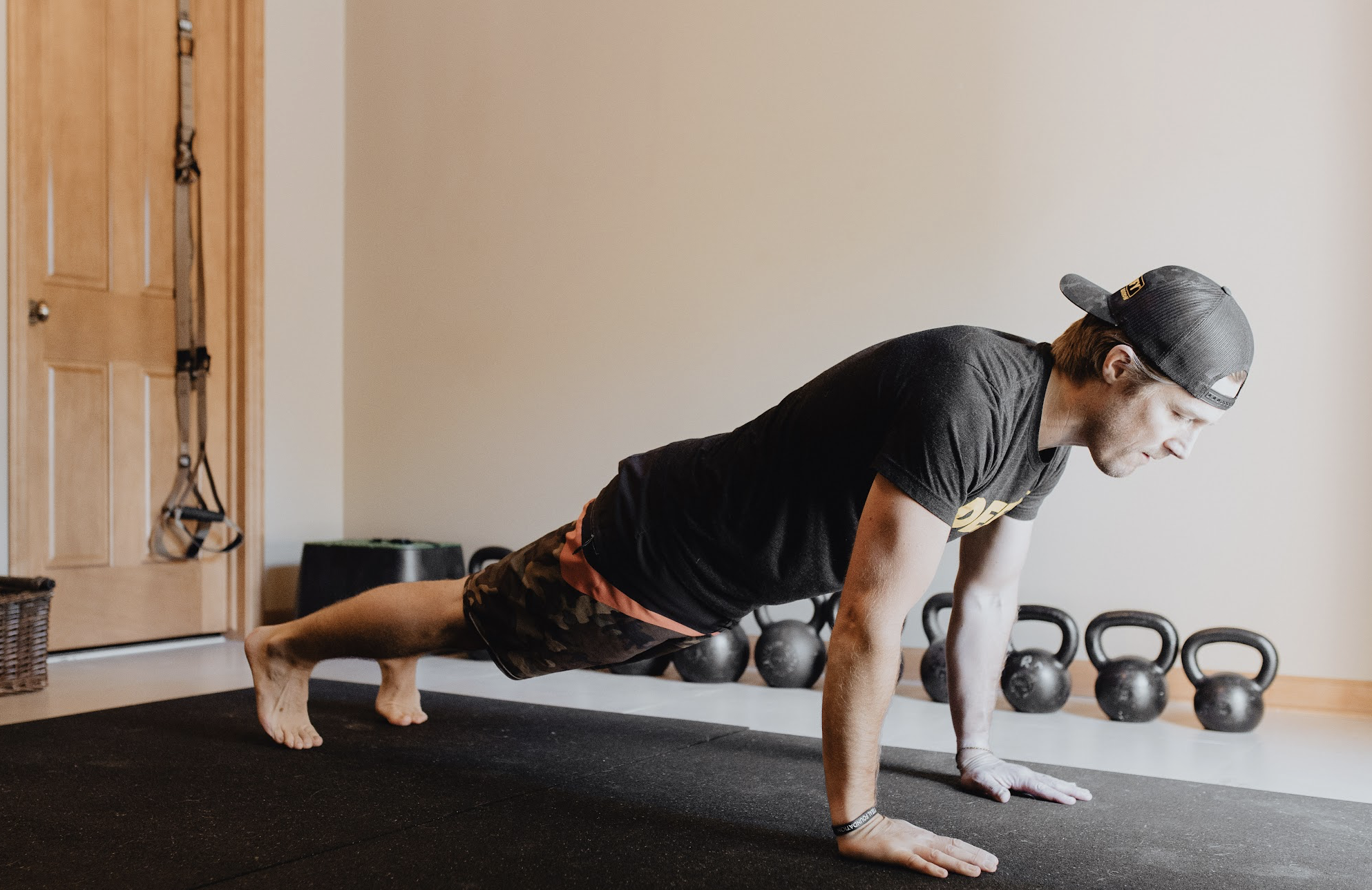
Yes, I still do pushups too!
The Dreaded Cardio
There was a time when I really enjoyed a hard run. It gave me a bit of a runner’s high. As I got older, the high was still there after a run. But the cost was much higher. It just makes me too sore the next day.
Pavel once said you could train the engine without the “dishonor of cardio.” Mark Sisson, another influential person in my fitness journey, coined the phrase “chronic cardio.” I do some of it, but it usually involves a kettlebell, or a jump rope.
Recently, about a year ago, I also added some slow / steady state endurance ‘work’ on a treadmill. Typically that means an incline walk on a treadmill at a brisk pace. Sometimes, I’ll even do step ups on an 18-22” box.I keep it in Zone 2 (mostly) and use my heart rate monitor to stay in that zone. There are lots of ways to find this sweet spot. For me, I use the MAF formula: 180 - your age = Zone 2 (aerobic / fat burning zone).
It can be brutally boring. But it works. I’d prefer to hike a nice mountain trail, but those are in short supply around here. When you live at low altitude where it’s mostly fat. you have to get creative. You have to be disciplined. There’s no way around it. The best endurance athletes in the world, regardless of discipline or modality, do a lot of basic ‘Zone 2 work.’ Success leaves clues.
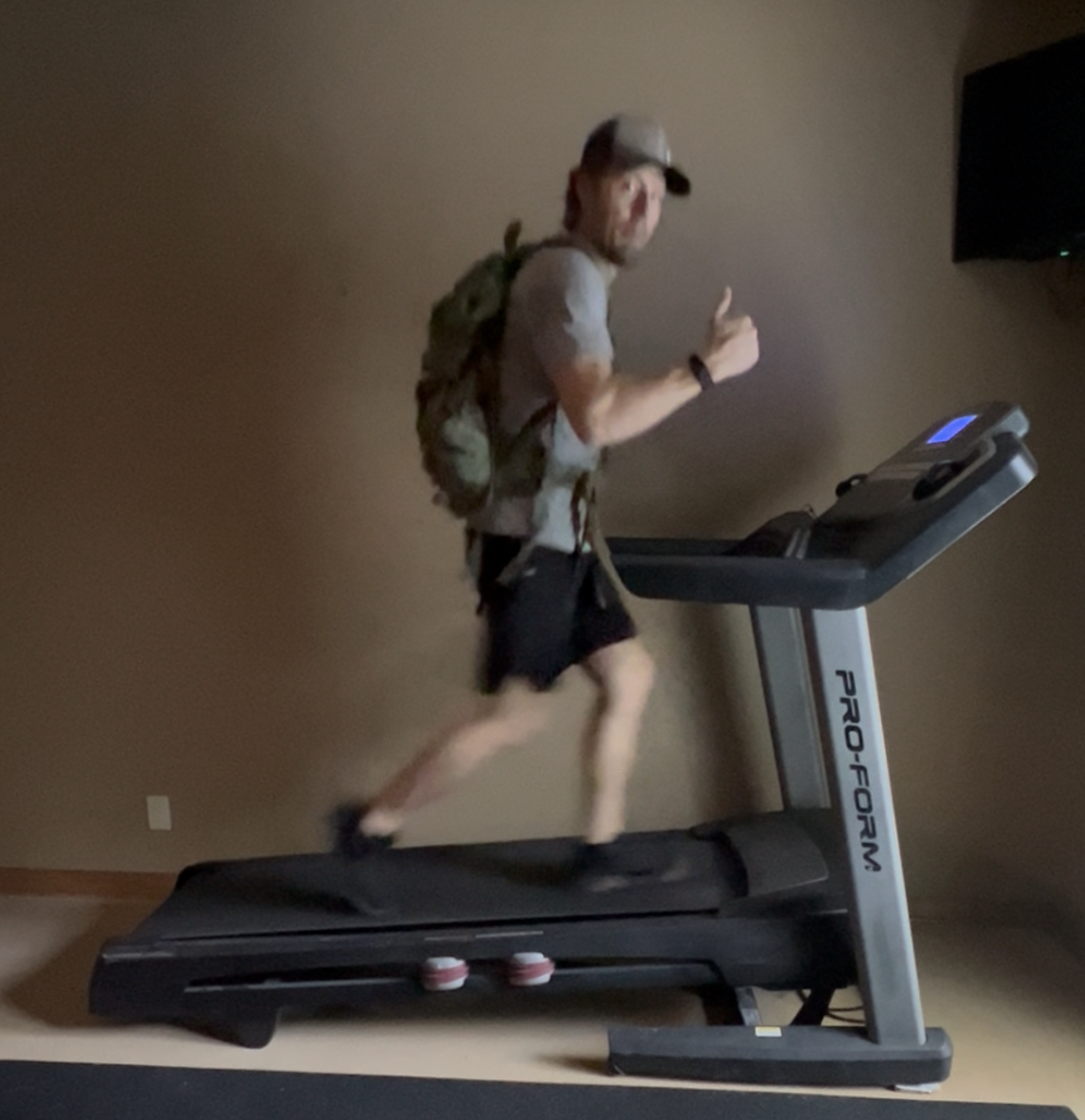
The ‘dishonor of cardio’ is sometimes necessary… ughhh.
Breath Work and Altitude
One newer addition to my training has been breath work. I’ve experimented with everything from Box Breathing to CO2 tolerance drills and altitude simulation exercises. Some of it is mental. Some of it is physiological.
One simple drill I use during walks is breath-hold training after a full exhale. I’ll exhale completely, hold my breath, and walk as many steps as possible before recovering. It sounds easy until you try it.
These exercises help improve comfort under stress and teach you how to stay calm when breathing becomes difficult — something that matters at altitude.
Summit for Hope
If you’d like to learn more about our upcoming expedition, check out our landing page on the Global Partners in Hope website. We are using this expedition to make a difference in the lives of those less fortunate. If you want to make an impact, please consider making a donation. Every little bit helps, and we are only 4-weeks out!
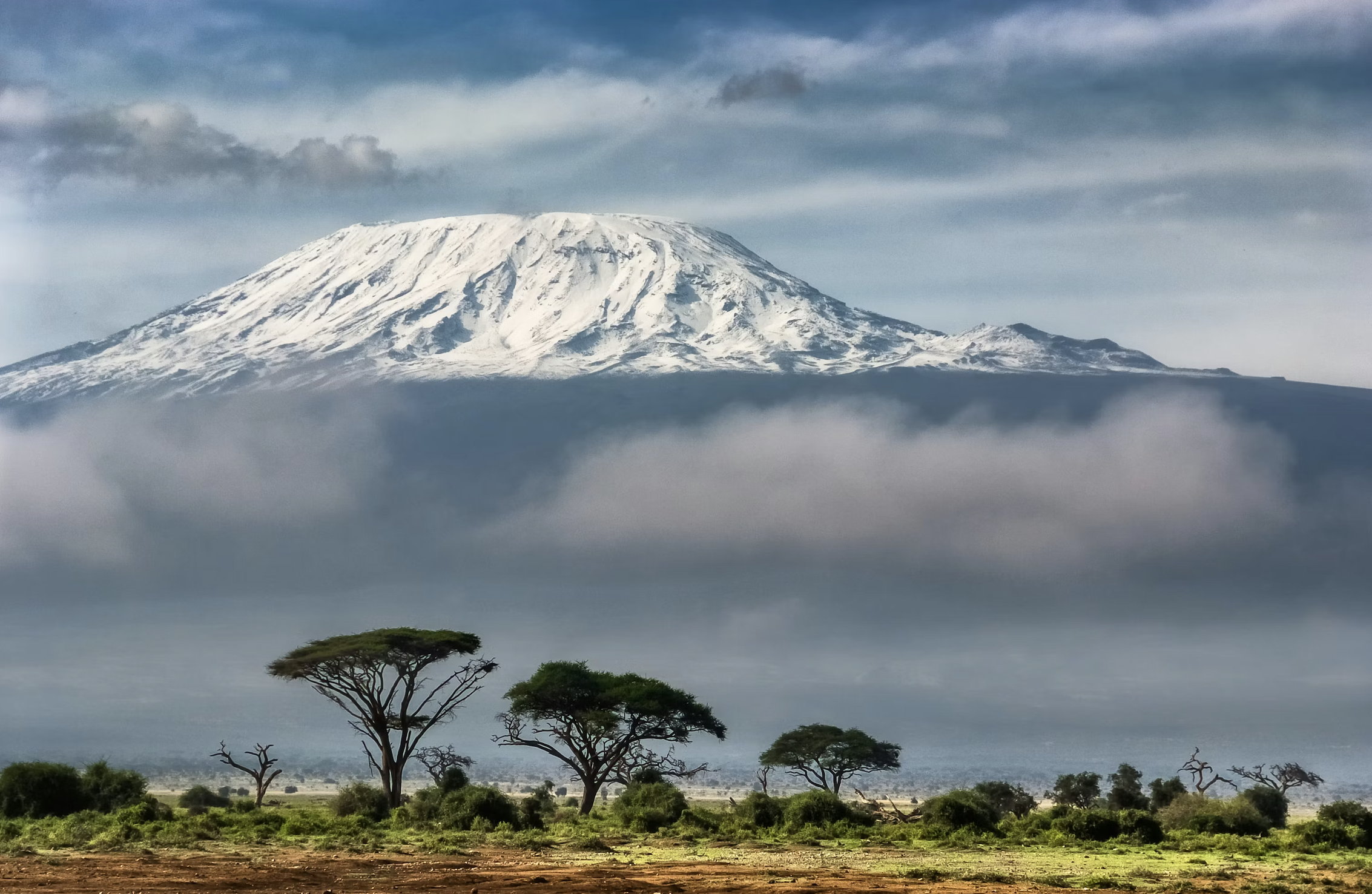
Kilimanjaro looming in the background!
Final Thoughts
I don’t live near mountains. I don’t have ideal training conditions. I’m older than I was during my previous expeditions, and I recover slower now than I did in my twenties and thirties. But those are just realities — not excuses.
At some point, most worthwhile things in life require adaptation instead of ideal conditions. So I train with what I have. Walking or biking trails instead of mountains. Incline treadmills instead of picturesque mountain ridges. Consistency instead of perfection.
In the end, preparation is less about geography and more about discipline, and mountains don’t care where you live.